
AI for Life Science Landscape
back to All
Foundation Models are driving a Cambrian explosion in the Life Science domain. AI possesses superhuman advantages in understanding and modeling complex, non-linear biological systems, making it a critical engine for drastically accelerating scientific discovery and improving healthcare efficiency. The investment window is opening, with two primary opportunity vectors emerging:
- AI for Biology: Foundation models are driving platform-level technological shifts with the potential to generate disruptive therapies and diagnostics. The upside here is immense, comparable to building the next Eli Lilly or Illumina, but carries higher risk.
- AI for Healthcare: AI is being deployed to overhaul inefficient healthcare workflows, reduce significant waste, and supplement human resources. This area offers higher certainty, akin to a vertical SaaS play, with the potential to create the next Nuance or Neeva.
AI for biology
I. AI for Biology: Mapping the Landscape
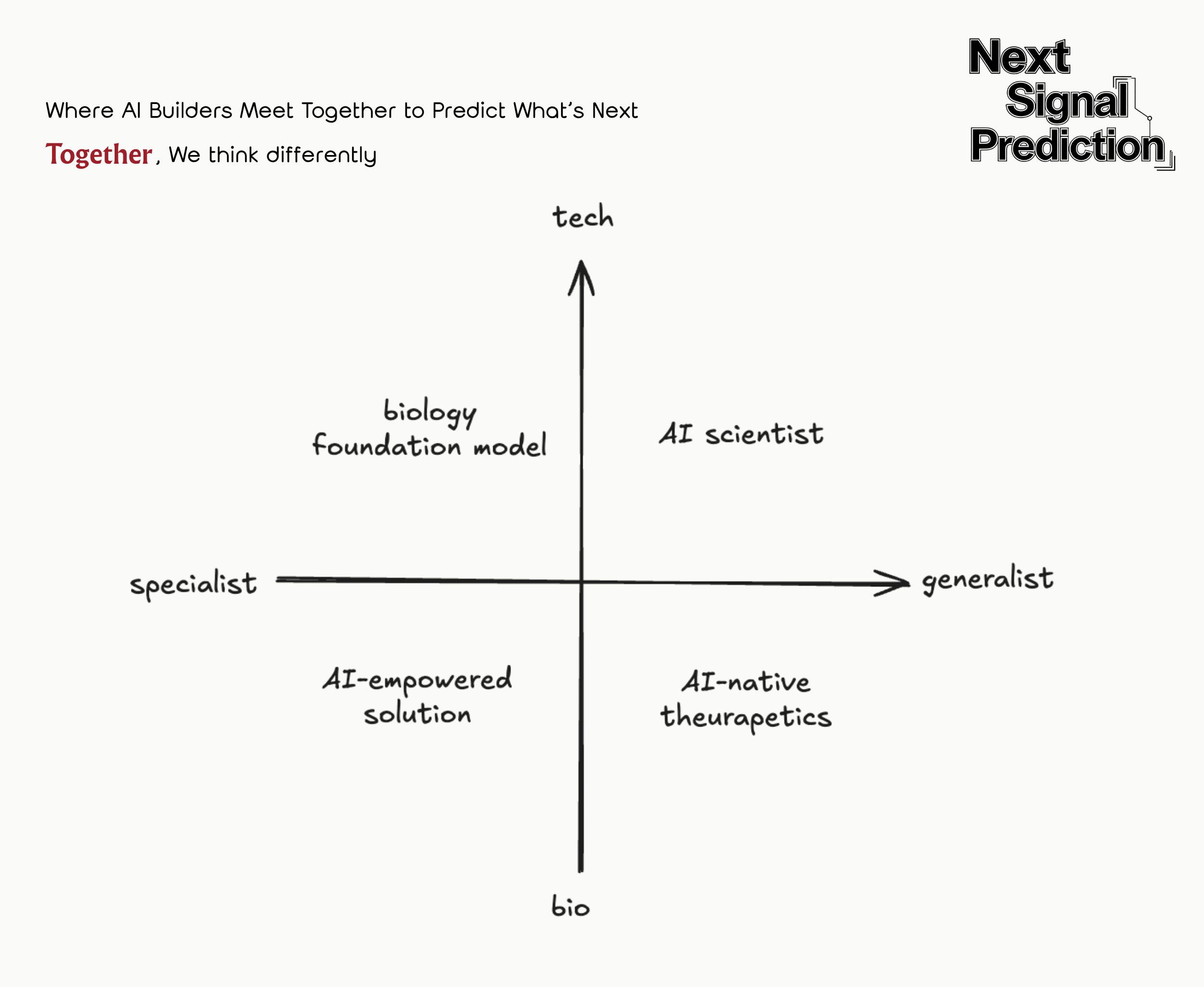
We categorize companies using a 2x2 matrix:
- Horizontal Axis: Generalist vs. Specialist (Breadth of coverage across the R&D value chain vs. deep focus on specific niches).
- Vertical Axis: Tech vs. Bio (Focus on delivering platform technology vs. directly developing biological/clinical solutions).
Investment Priorities & Key Players:
High Priority:
Tech x Specialist (Biology Foundation Models): These companies build foundational AI models for specific biological tasks, primarily structural biology.
- Following are companies building protein structure foundation model, for building small-molecule medicine. Next steps are mapping potential foundation model in other science,
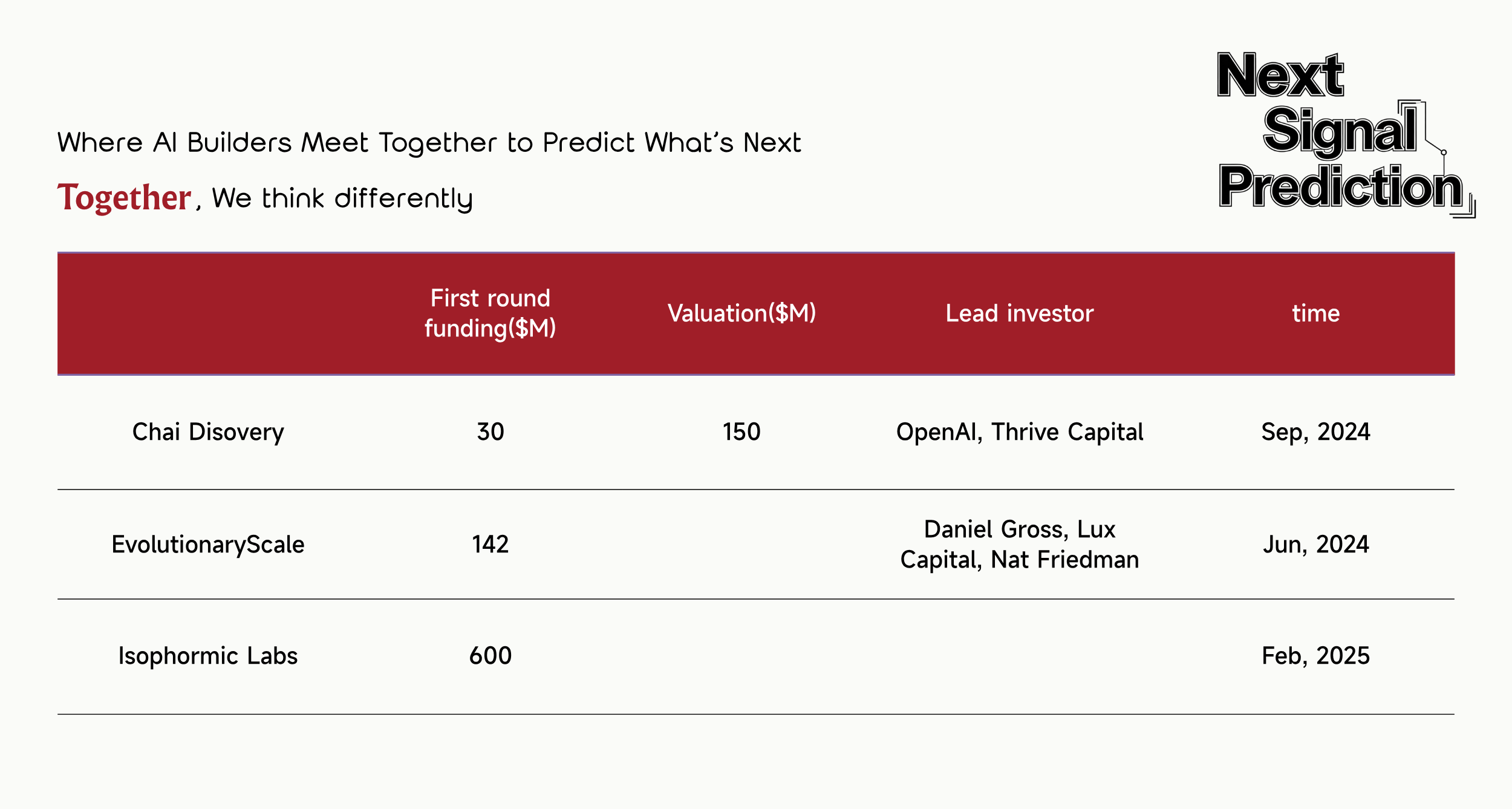
- Isomorphic Labs: A DeepMind spin-off leveraging AlphaFold technology. Major partnerships inked with Eli Lilly and Novartis, featuring potential multi-billion euro milestones, validating its tech platform focused on structure prediction.
- Chai Discovery: Rapidly reproduced and built upon AlphaFold concepts using Diffusion models for flexible structure prediction. Secured significant seed funding ($30M at $150M valuation, Sept 2024) from OpenAI and Thrive Capital.
- EvolutionaryScale: Founded by ex-Meta AI lead, focusing on the ESM3 model family (up to 98B parameters). Uses bidirectional Transformers for multi-modal (sequence, structure, function) integration, demonstrating clear scaling laws. Backed by Nvidia, Amazon, and others ($142M seed, June 2024).
Tech x Biologist (Automated Science Platforms / “AI Scientist”): These aim to automate the research process itself.
- This segment is rather new. We should actively seek high-potential early-stage startups.
- Lila Sciences: Flagship Pioneering incubation building a “scientific superintelligence platform” combining AI-driven experimental design with automated lab hardware for high-throughput screening. Focuses on platform enablement rather than internal pipeline.
- FutureHouse: Non-profit backed by Eric Schmidt et al., aiming to build complete AI scientist systems to drive fundamental breakthroughs. Focuses on developing autonomous AI agents for research.
Lower Priority (Requires Caution):
- Bio x Specialist (AI-Enabled Solutions): Companies focusing AI on specific R&D steps like target discovery, drug repurposing, or clinical trial matching to enhance efficiency for traditional pharma. Lower platform risk but potentially capped upside.
- Bio x Generalist (AI-native Therapeutics): Companies building end-to-end AI platforms to develop their own drug pipelines, especially complex modalities like biologics or cell therapy. High potential reward but carries significant biological/clinical risk and capital requirements.
Investment Strategy Recommendation (AI for Biology):
- Actively Invest: Prioritize platform technology companies (Tech axis), especially those in the AI Scientist / Automated Science space (top-right quadrant). This is where LLMs and foundation models offer the most transformative potential in a large market, allowing for early-stage investment at potentially favorable valuations.
- Invest Cautiously: Be selective with Therapeutics-focused companies (Bio axis). Reasons: 1) Requires deep biotech/wet-lab expertise and risk assessment, which may be outside a pure tech fund’s core competency. 2) Companies heavily reliant on wet labs face high operational costs and risks, deviating from the core thesis of automation unless carefully vetted.
Tech × Specialist Deep Dive: Paradigm Shifts in Biology Foundation Models
AlphaFold’s Milestone and Isomorphic Labs’ Commercialization:
- AlphaFold’s success is a landmark event for AI in science. It solved the 50-year-old challenge of predicting protein 3D structures, reducing timelines from months or years (using cryo-EM) to rapid computational predictions. Since structure dictates function, AlphaFold’s breakthrough accelerates our understanding of life processes and drug design.
- AlphaFold 3’s Evolution: Jointly developed by Google DeepMind and its spin-off Isomorphic Labs, it not only maintains high accuracy in protein structure prediction but also expands capabilities to predict the structures and interactions of complexes involving proteins with DNA, RNA, small molecules, ions, etc. Technically, it incorporates Diffusion Models, simplifying the process, reducing reliance on multiple sequence alignments (MSAs), and broadening the types of input molecules. It was trained on the public PDB database, augmented with synthetic data to enhance generalization.
- Isomorphic Labs’ Strategy and Progress: Spun out of DeepMind, led by Nobel laureate and DeepMind founder Demis Hassabis, with a core team from the original AlphaFold project – top-tier technical talent. Reportedly over 70 employees. Signed major collaboration agreements with Eli Lilly and Novartis. The Lilly deal involves €41 million upfront and up to €1.55 billion in milestones, focusing on small molecule discovery. The Novartis deal includes €34 million upfront and up to €1.1 billion total. These partnerships validate the commercial value of its technology and provide real-world drug discovery scenarios and data feedback. Isomorphic Labs positions itself as a technology platform provider (Tech) focusing on the core task of structure prediction (Specialist).
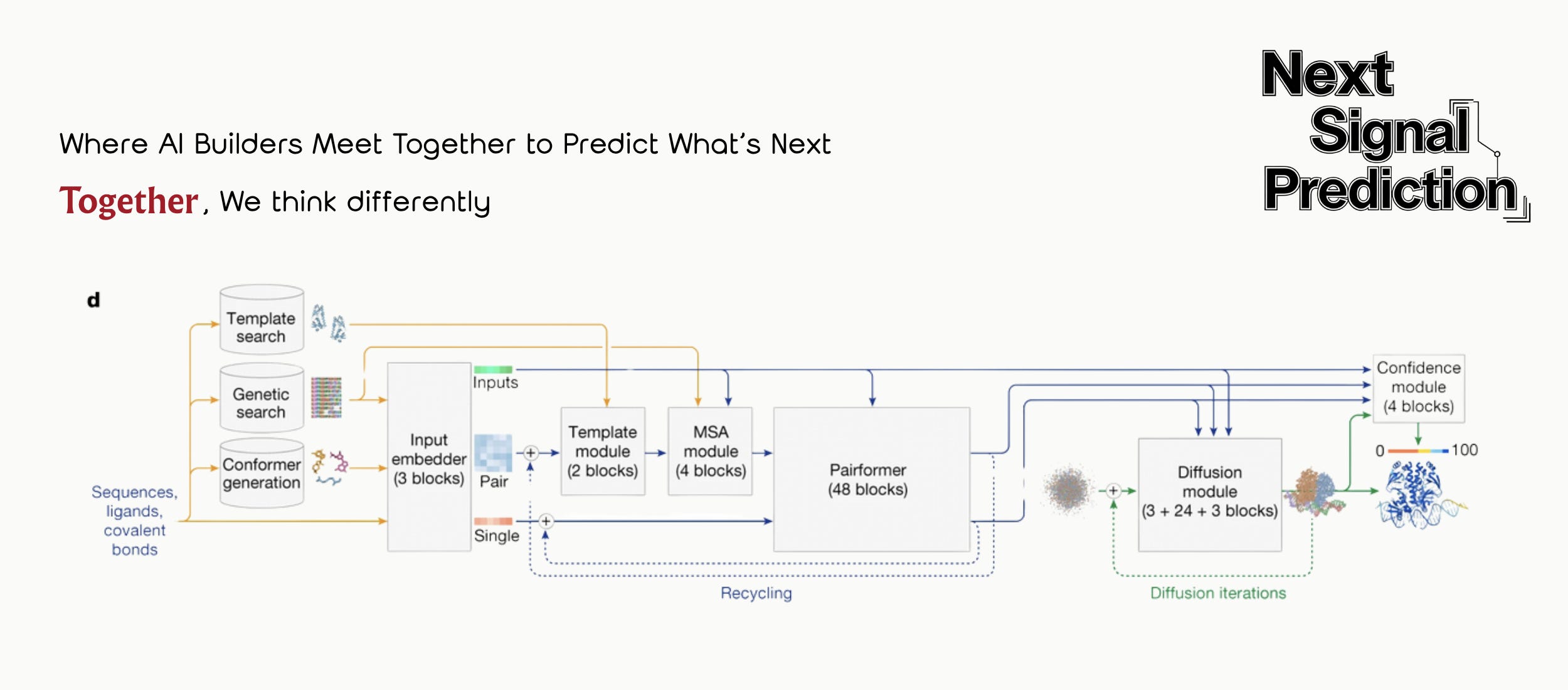
Model Directions Beyond AlphaFold: Generality and Genomics:
AlphaFold ignited the boom in biology foundation models. Subsequent models explore different paths:
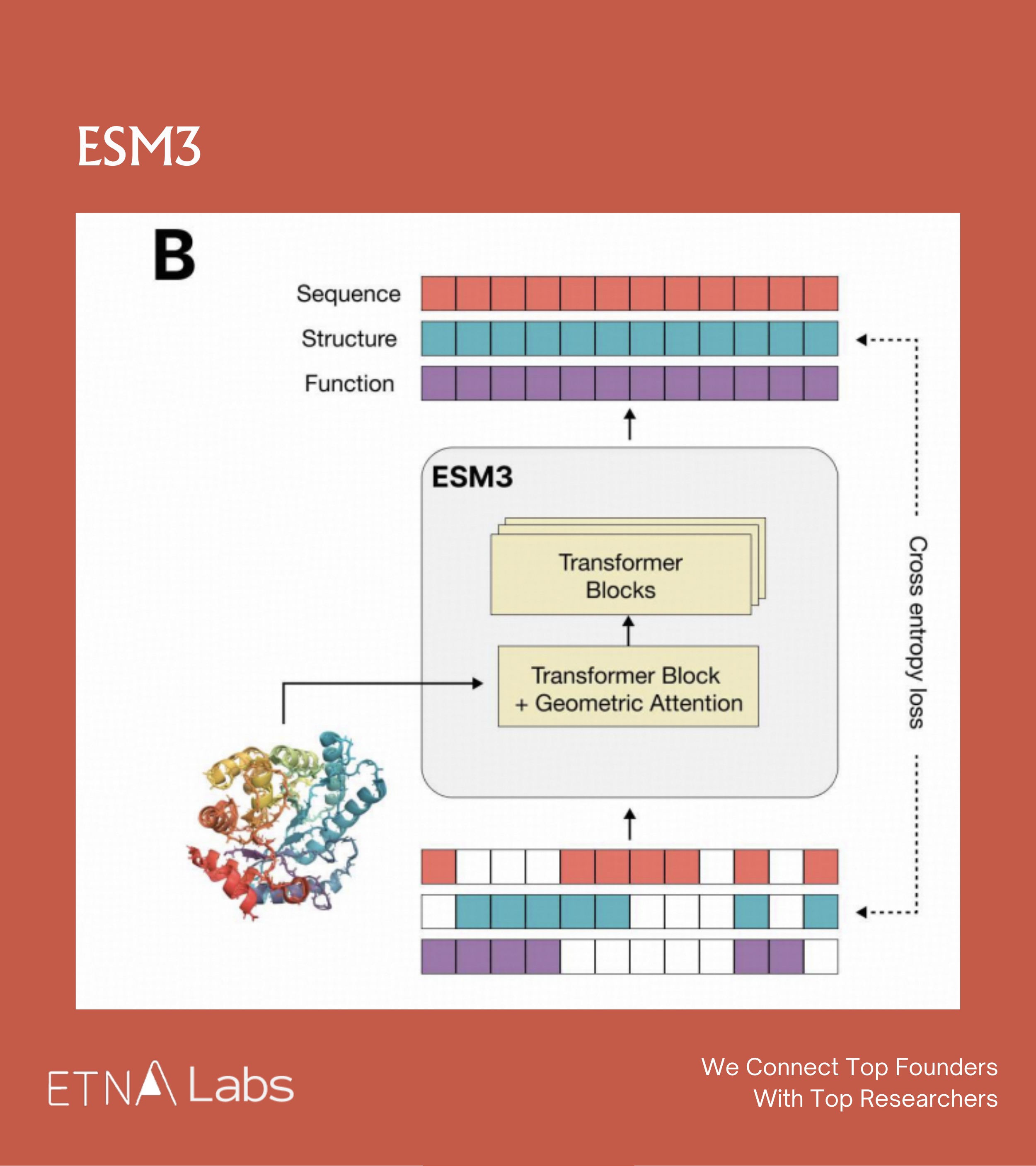
EvolutionaryScale and ESM3: General Biological Multimodal Models
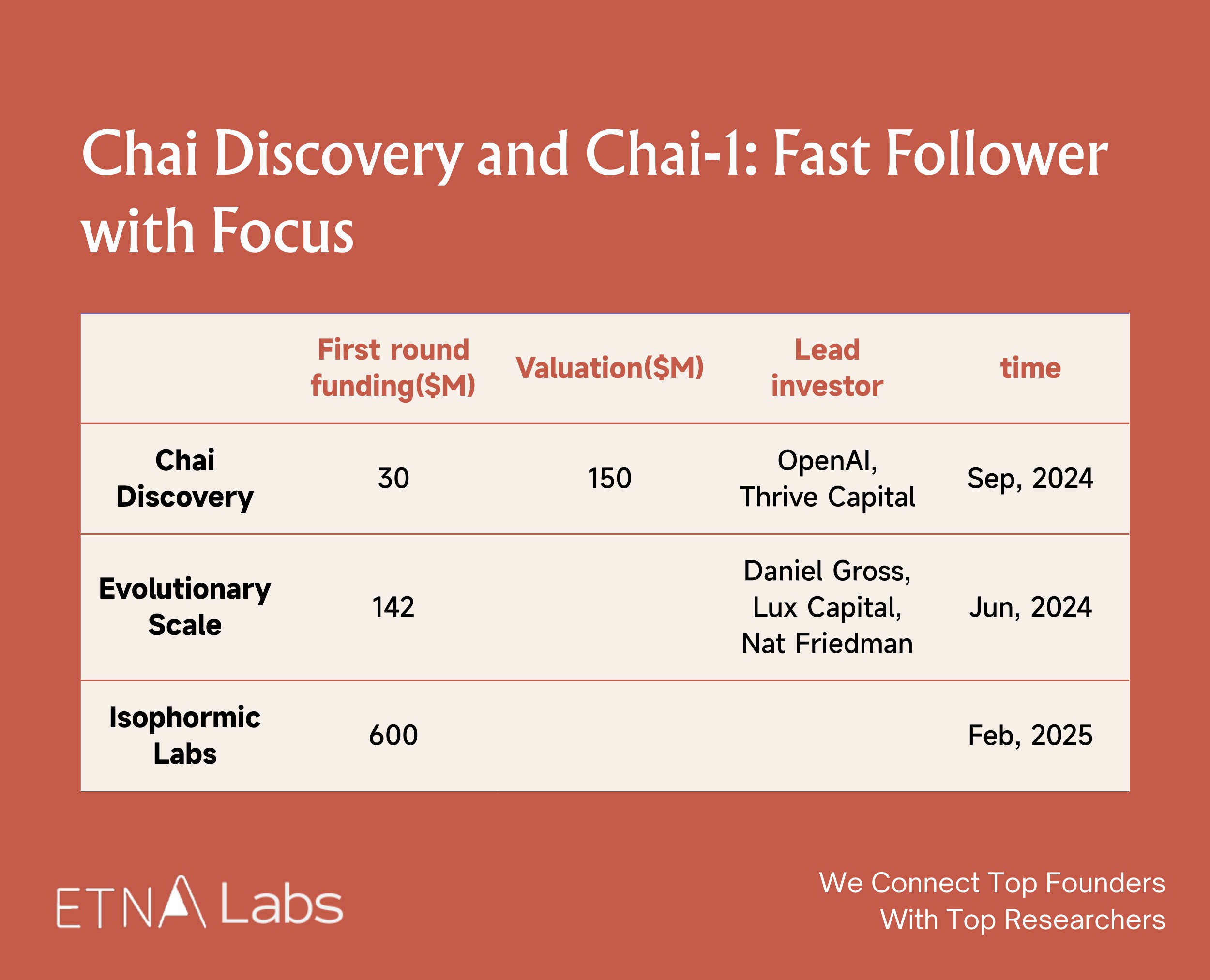
- Background: Founded by Alex Rives, former head of Meta AI’s protein team. Launched the ESM3 model in June 2024 and announced a $142 million seed round backed by Nvidia, Amazon, Daniel Gross, Lux Capital, Nat Friedman, etc.
- Technical Path: Aims to create a general-purpose biological foundation model akin to GPT. ESM3 is based on a bidirectional Transformer, uniquely integrating sequence, structure, and function modalities as both inputs and outputs. The model fuses multimodal information during encoding and can predict other modalities from any input combination during decoding (e.g., sequence to structure, structure to function).
- Model Characteristics: Comes in 1.4B, 7B, and 98B parameter sizes, demonstrating clear Scaling Laws (larger parameters yield better performance). Performance on specific tasks (like tertiary coordination) significantly improved via RLHF (similar to instruction fine-tuning).
- Product & Positioning: Currently offering model access via a web interface (beta). Aims to cover broader drug discovery tasks (structure prediction, drug generation, property prediction, etc.). While it might currently lag specialized models on single tasks like structure prediction, its multi-task, multi-modal capabilities represent a significant future direction.
Chai Discovery and Chai-1: Fast Follower with Focus
- Background: Extremely fast replication in the AlphaFold direction. Secured a $30 million seed round led by Thrive Capital and OpenAI (Sept 2024), at a $150 million valuation.
- Technical Path: Employs Diffusion models similar to AlphaFold 3 for structure prediction, focusing on high-precision prediction of protein and complex structures.
- Positioning: Clearly positioned as a strong competitor in structure prediction, providing accurate, fast platform technology services (Tech x Specialist). Its rapid backing from top VCs and strategic investors (OpenAI, Thrive) shows market validation for this focused approach.
ARC Institute and Evo2: Decoding the Language of the Genome - Virtual Cell Foundation Model
- Background: Led by researchers at the ARC Institute (a novel philanthropic research organization), developed in collaboration with NVIDIA and others.
- Technical Features: A genome language model (40B parameters) trained on over 9 trillion base pairs, featuring an ultra-long context window of 1 million base pairs, enabling capture of long-range dependencies across the genome.
- Core Capabilities: 1) Predicts variant function: e.g., >90% accuracy in classifying BRCA1 gene mutations as benign or malignant. 2) Designs biological sequences: Can design new gene elements, regulatory sequences (like tissue-specific promoters), and even “artificial life code.”
- Strategic Significance: Evo2 represents the foundation model paradigm at the sequence level, complementing structure-level models like AlphaFold. It allows understanding and intervention at the genetic blueprint level, providing new tools for gene therapy and synthetic biology. ARC Institute’s choice to open-source Evo2 accelerates progress across the entire field.
Summary: Biology foundation models are evolving from single-task focus (structure prediction) towards multi-modality and generality (ESM3) and deep genomic understanding (Evo2). Together, these models form the computational bedrock for biological research, promising intelligent analysis and design across scales (gene-protein-function).
Deep Dive: Tech x Biologist - The AI Scientist Revolutionizing R&D
The Challenge: Traditional biological research faces long cycles, high costs, and difficulty reproducing results (estimated $28 billion wasted annually). The extreme complexity of biological systems makes manual trial-and-error highly inefficient. The AI Scientist aims to overcome these bottlenecks by automating the research process.
Core Concept: Equipping AI, particularly Large Language Models (LLMs), with reasoning, planning, and tool-use capabilities, enabling them to function like research assistants or even scientists. This involves integrating literature search, experimental design, data analysis, and robotics control.
Relationship with Biology Foundation Models: Within the automated research framework, various foundation models play crucial roles, analogous to high-level planning and low-level execution/tool usage in robotics. The LLM provides powerful reasoning and knowledge integration, learning from literature, designing protocols, and optimizing decisions. Specialized foundation models like AlphaFold and Evo2 serve as the AI assistant’s “toolbox,” called upon when needed. For example, an agent designing a drug might call AlphaFold to predict ligand-protein binding poses, or call Evo2 to predict mutation effects when studying gene function. Foundation models become the infrastructure enabling AI agents to perform many cognitive and analytical tasks without human intervention.
Key Companies:
Lila Sciences (Flagship Pioneering incubation):
- Positioning: Building a “scientific superintelligence platform” combining an AI engine with a fully automated laboratory for end-to-end scientific discovery automation.
- Technical Core: 1) Generative AI science engine: Capable of autonomous hypothesis generation, experimental design, parameter optimization, and reasoning incorporating physical laws. 2) Automated lab infrastructure: Integrates robotics and high-throughput equipment for 24/7 unattended experiments.
- Disclosed Progress (Early): Preliminary results in discovering new antibodies/peptides, designing catalysts (e.g., for green hydrogen), and developing carbon capture materials.
- Business Model: Leans towards technology licensing and collaborative enablement, planning to partner with biotech companies (including Flagship’s portfolio) rather than developing its own pipeline. Positioned as Tech x Generalist, offering broad research automation capabilities.
Future House (Non-profit Research Organization):
- Background & Mission: Supported by Eric Schmidt and others, aiming to use AI to accelerate solutions for major challenges like disease treatment and climate change.
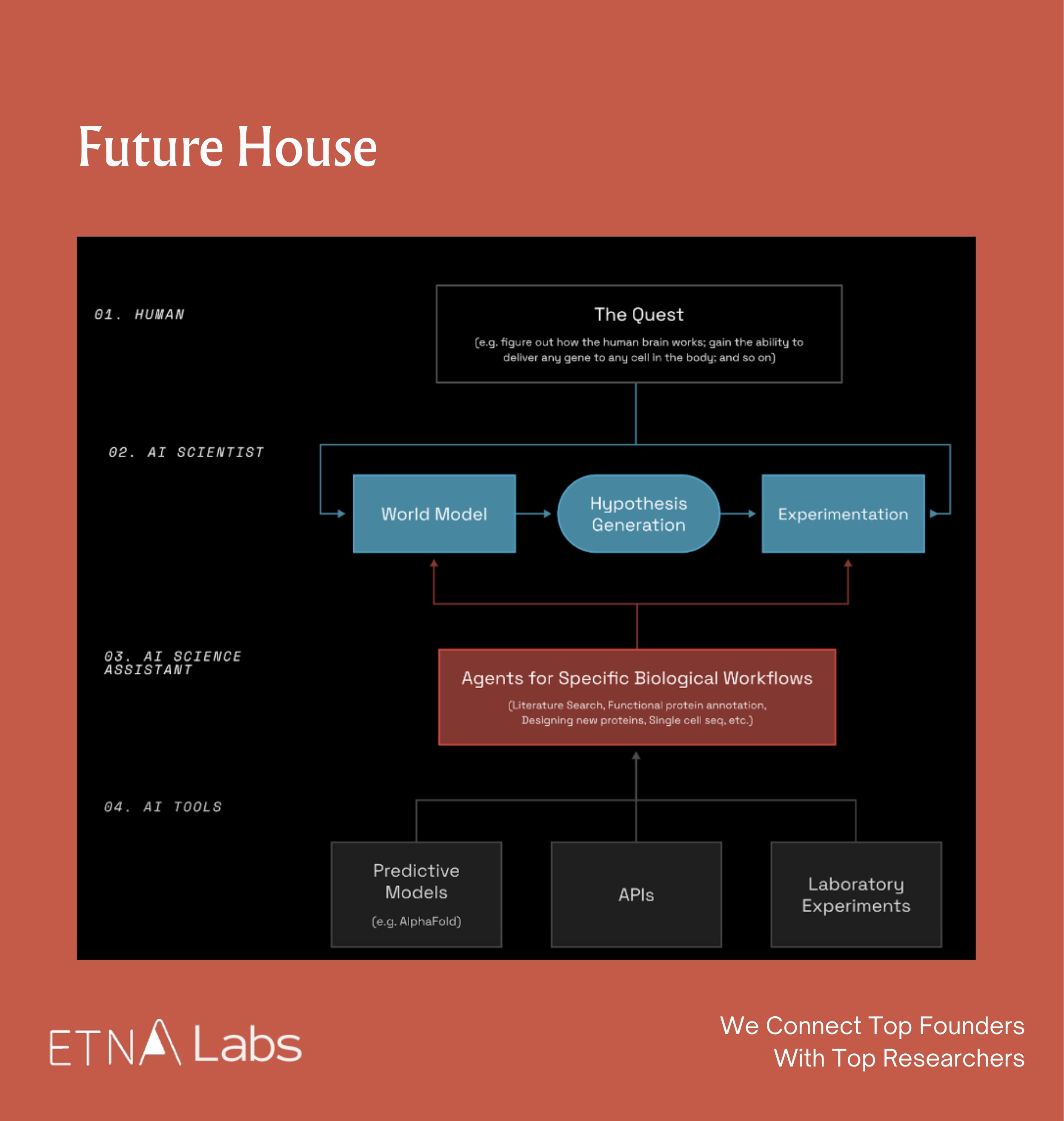
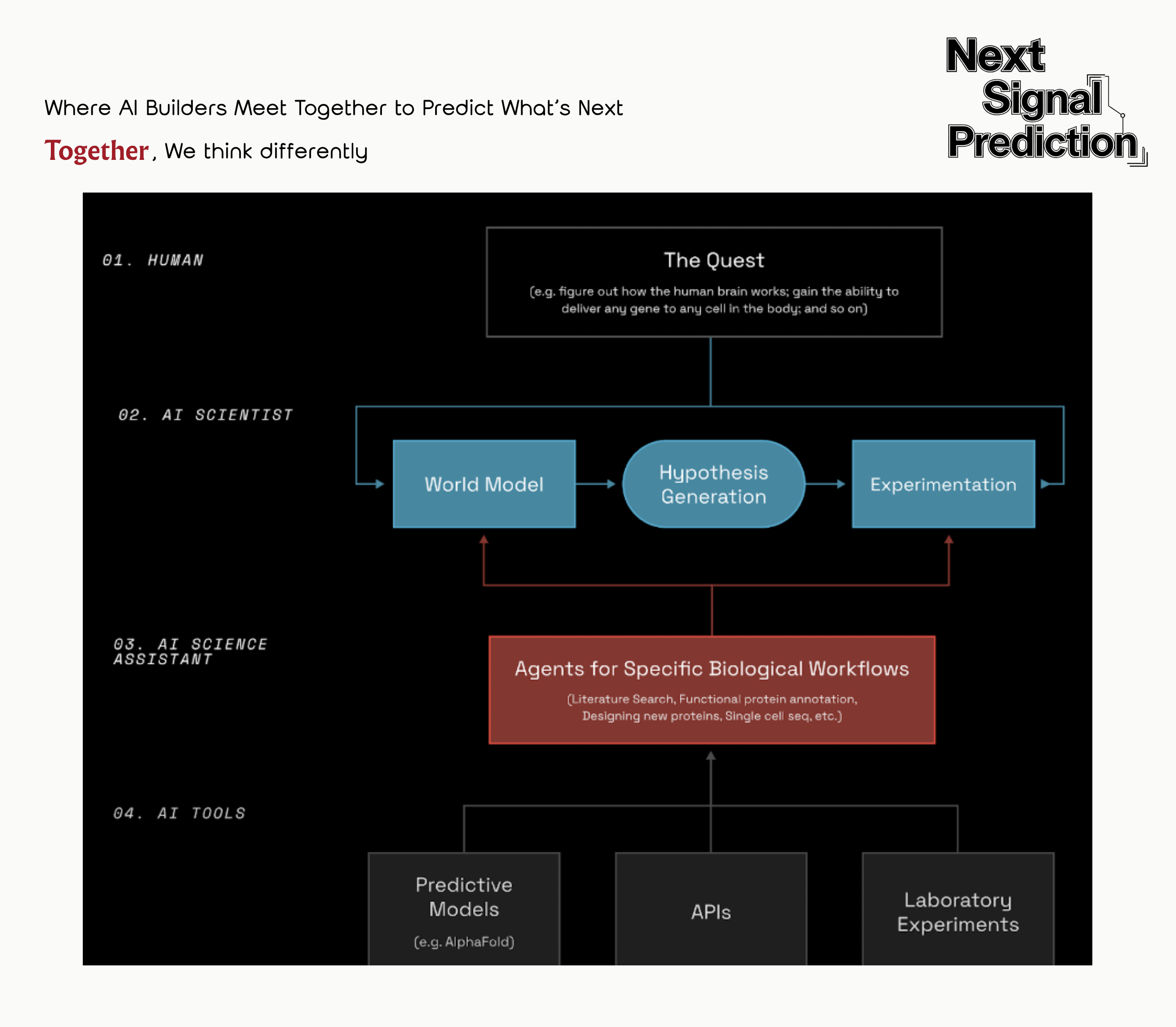
- Model: Employs a non-profit FRO (Focused Research Organization) model for long-term investment. Focuses on developing “AI Scientist” systems capable of autonomously posing scientific questions and exploring them, as well as “AI Science Assistants” to aid human researchers.
- Technical Framework: Proposes a four-layer automated science framework: Tool Layer (foundation models, device interfaces), AI Assistant Layer (task-specific models), AI Scientist Layer (core autonomous research agent), Human Layer (defining exploration tasks, supervision). Emphasizes the AI Agent’s autonomous planning and iteration capabilities.
Impact: The AI Scientist concept promises to increase individual scientist output by 10-100x. Foundation models become core tools callable by AI Agents. This paradigm shifts research from labor-intensive to knowledge- and compute-intensive, dramatically accelerating innovation cycles.
Deep Dive: Bio x Generalist - AI-native Therapeutics
Core Positioning: These companies are truly “AI-native” pharmaceutical firms. Their goal is to build an integrated platform with AI at its core, spanning the entire process from drug discovery to clinical development, and use this platform to independently develop and advance innovative therapy pipelines. AI is not just a tool; it’s the foundation and engine of their R&D paradigm.
Business Model: Aims to become a biotech company with a proprietary pipeline of therapies. Success comes from advancing drug candidates through clinical trials towards commercialization, or seeking high-value licensing deals or acquisitions at later clinical stages or post-approval.
Breadth and Depth of AI Integration:
- AI is systematically applied across multiple, often all, key stages: From target identification based on multi-dimensional data and biological knowledge, to using generative AI for de novo design or optimization of small molecules, antibodies, peptides, or even more complex biologics with desired properties. This extends to predicting pharmacokinetic/pharmacodynamic (PK/PD) properties, toxicity (ADMET), assisting clinical trial design, analyzing trial data, and predicting patient responses.
- These companies often strive to build a data flywheel: AI predictions guide experimental design, and experimental data feeds back to refine AI models, creating a continuous learning and evolution loop.
Especially Suited for Complex/Novel Therapies: The AI-driven end-to-end approach may be particularly advantageous in areas with vast design spaces where traditional trial-and-error struggles, such as:
- Complex Biologics Design: Designing antibodies, protein drugs with specific binding sites, multi-specificity, or conditional activation features.
- Cell Therapy: AI optimizing cell differentiation protocols (referencing prior internal discussion on Somite AI).
- Gene Therapy: Designing more efficient and specific delivery vectors (like AAV capsids) or using AI (like Evo2) to design regulatory elements for precise gene expression.
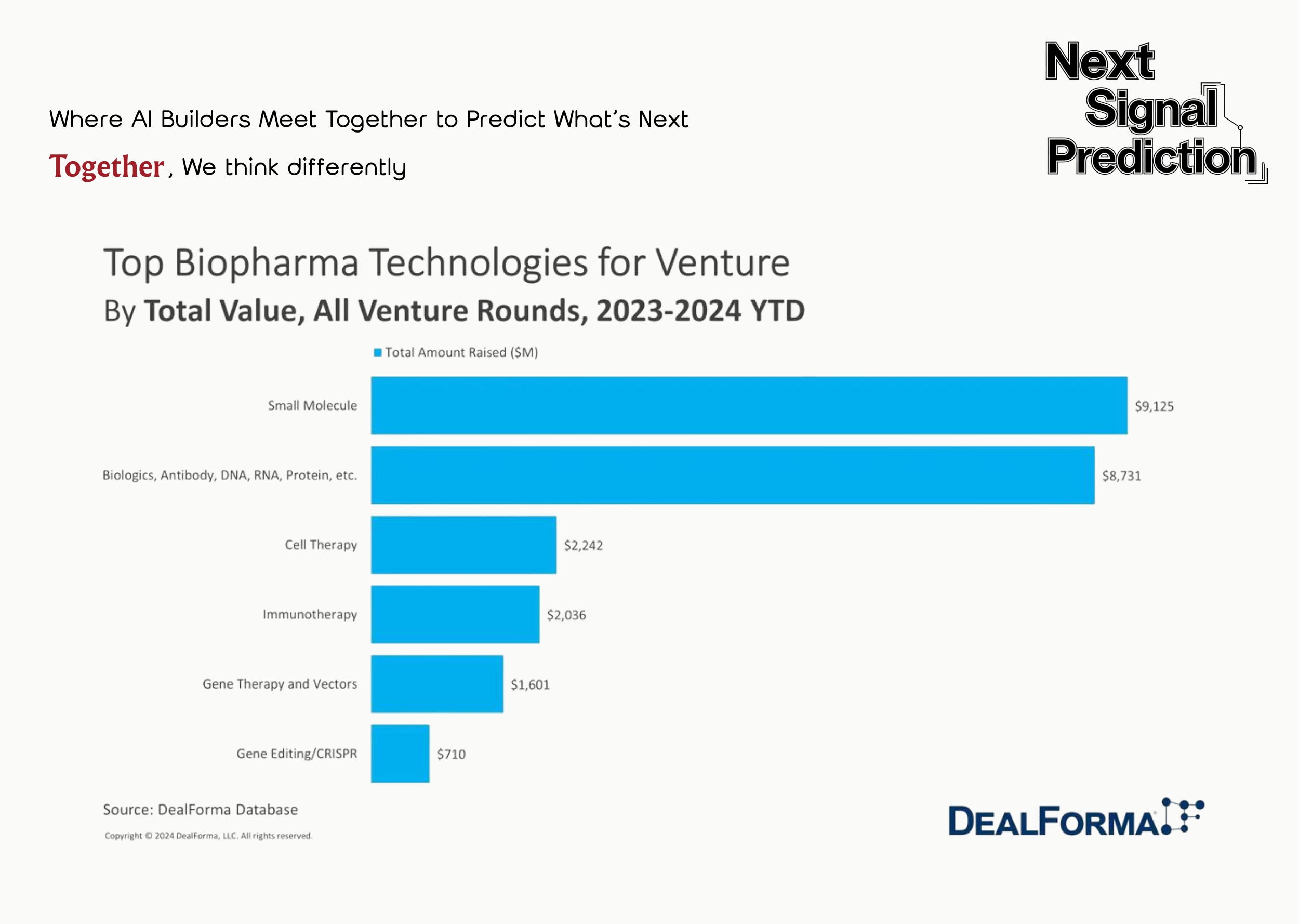
Investment Considerations:
- Advantages: Enormous success potential, with a single approved drug potentially generating billions or tens of billions in revenue. Truly leverages AI to disrupt traditional R&D models and build deep competitive moats.
- Challenges: Extremely high risk and uncertainty, long development cycles (potentially over a decade), massive capital requirements (highlighted by Xaira’s $1 billion+ initial funding). Requires not only top-tier AI capabilities but also strong expertise in biology, chemistry, clinical development, and regulatory affairs, demanding exceptional cross-disciplinary teams. Platform validation relies on pipeline progress, making early assessment difficult.
Representative Companies:
Xaira Therapeutics:
- Background: Incubated by ARCH Venture Partners, Foresite Labs, etc., with over $1 billion in initial funding. Brings together top academic (David Baker) and industry leaders (former Genentech executives).
- Positioning: An “integrated” AI biotech company aiming to apply cutting-edge generative AI (likely including protein design) across the entire drug discovery and development process to create “previously unimaginable new medicines.”
- Strategy: A classic Bio x Generalist, using AI capabilities to cover the broad spectrum from early discovery to clinical development, directly producing drug pipelines. Its massive funding and all-star team represent VC’s significant bet on the AI-driven end-to-end drug development model.
Generate Biomedicines (Flagship Pioneering incubation, founded 2018):
- Positioning: Pioneering “Generative Biology,” using its core AI-driven “Generate Platform” (including the Chroma AI model) for de novo design and development of various protein therapies (antibodies, enzymes, peptides, CAR-T, etc.). A clinical-stage company aiming for end-to-end drug generation.
- Technical Core: Machine learning models trained on vast protein data learn sequence-structure-function relationships to computationally generate novel proteins with optimized therapeutic properties; tightly integrated with high-throughput wet labs (including advanced cryo-EM) for closed-loop learning, enabling programmable biology.
- Validation & Progress: Raised over $643 million (investors include Flagship, Fidelity, ARCH, Amgen, Novartis). Secured major collaborations potentially worth over $1 billion each with Amgen and Novartis. Multiple internal pipeline programs (immunology, oncology) entering or nearing Phase I clinical trials.
- Classification: Falls under Bio x Generalist (AI-native Therapeutics), using a foundational AI platform to build its own drug pipeline, fundamentally aiming to change how medicines are created.
Moonwalk Bio:
- Positioning: A precision epigenetic medicine company aiming to “read” the epigenome (EpiRead - AI-driven high-resolution mapping) and “write” precise epigenetic modifications (EpiWrite - multiplex editing tools) using its end-to-end platform to treat diseases, initially focusing on cardiovascular-metabolic areas. Currently preclinical.
- Technical Core: Integrates AI-driven epigenomic target prediction and mapping, non-DNA-cutting precise multiplex epigenetic editing tools, and an epigenomic foundation model (EFM) for predicting cell state transition targets.
- Validation & Progress: Completed $57 million in Seed and Series A funding (investors include Khosla, ARCH, GV, Alpha Wave). Experienced founding team (including CRISPR pioneer Feng Zhang, former Illumina CTO). Early platform data presented at scientific conferences.
- Classification: Primarily categorized as Bio x Generalist (AI-native Therapeutics), using its unique “read/write” epigenomic platform to develop an internal therapeutic pipeline, with AI playing a key enabling and discovery role.
Investment Considerations: Massive potential upside (blockbuster drugs), but extremely high risk, long timelines (10+ years), huge capital needs (e.g., Xaira’s $1B+ seed), and requires elite cross-disciplinary teams. Early validation is difficult.
Representative Companies:
- Xaira Therapeutics: ARCH/Foresite-backed behemoth ($1B+ seed) integrating top AI (David Baker lab influence) and pharma talent (ex-Genentech leaders) to create novel drugs across the full R&D spectrum. Epitomizes the high-risk, high-reward Bio x Generalist play.
- Generate Biomedicines: Flagship-backed clinical-stage company pioneering “Generative Biology” with its AI platform (Chroma) for de novo protein therapeutic design. Validated by $643M+ funding and major pharma deals (Amgen, Novartis).
- Moonwalk Bio: Precision epigenomic medicine company using AI (”EpiRead”) to map the epigenome and precise editing tools (”EpiWrite”) to develop therapies. Preclinical, backed by Khosla, ARCH, GV ($57M Seed/A).
Deep Dive: Bio x Specialist - AI for Focused R&D Optimization
Core Positioning: These companies typically do not aim to cover the entire drug R&D process but instead use AI to deeply optimize specific, critical segments of the biopharma value chain. They function more like “enhancers” or “accelerators” within the traditional R&D ecosystem, solving particular pain points with highly specialized AI capabilities to improve efficiency or uncover new opportunities.
Typical Application Scenarios & AI Enablement:
- Target Discovery: Using AI algorithms (like machine learning, graph neural networks) to integrate and analyze massive multi-omics data (genomics, transcriptomics, proteomics, etc.), literature data, and clinical data to identify novel disease-associated biomarkers, pathogenic pathways, or potential drug targets. AI can uncover complex patterns and correlations difficult for humans to discern, generating novel, data-driven target hypotheses.
- Drug Repurposing: Applying AI to analyze known information about existing drugs (chemical structure, mechanism of action, side effects, clinical trial data) alongside extensive disease models (e.g., disease-related gene expression profiles, pathway perturbations) to predict the potential efficacy of approved or clinical-stage drugs for new indications. This strategy can significantly shorten development timelines, reduce failure risk, and lower costs.
- Clinical Trial Optimization: Using AI to analyze patient electronic health records (EHRs), genomic information, imaging data, etc., to more accurately screen subjects meeting complex inclusion/exclusion criteria (Patient Matching). AI can also predict a patient’s probability of responding to a specific therapy, enabling smarter stratification and recruitment, thereby increasing clinical trial success rates and shortening trial durations.
- Lead Compound Screening & Optimization: Focusing on using AI models (like generative models, QSAR models) for virtual screening of large compound libraries or optimizing the structure of existing lead compounds to enhance activity, selectivity, or improve drug-like properties (ADMET).
Business Models: These companies often adopt partnership-driven models. They might:
- License their AI-discovered targets or drug candidates to large pharmaceutical or biotech companies for subsequent development.
- Establish collaborations with pharmaceutical companies to provide specific AI analysis services or co-develop projects up to a certain stage.
- Develop and sell AI software tools or platform modules for specific R&D steps.
Investment Considerations:
- Typically require less upfront capital. Technology validation and business model validation might be faster (easier to measure efficiency gains in a single segment). They integrate closely with the existing industry ecosystem, offering relatively clearer partnership and exit pathways.
- The potential value ceiling for a single project might be lower than that of companies with full pipelines. High dependency on partners. Need to continually demonstrate the superiority and irreplaceability of their AI technology in their specific niche.
II. Key Strategic Questions
Q1. Platform vs. Therapeutic, Tech vs. Bio? The Choice of Business Model
AI entrepreneurship in the bio-domain presents diverse paths:
Model Definitions:
- Platform-Type (Tech): Provides general AI technology/tools (e.g., Isomorphic, EvolutionaryScale). Analogous to Illumina, selling “shovels.”
- Therapeutic-Type (Bio/AI Biotech): Uses AI to develop its own drug pipeline (e.g., Xaira). Similar to traditional Biotech, selling “gold.”
Challenges & Trade-offs: Platform types need to overcome data barrier issues to build proprietary data moats. Therapeutic types bear high R&D risk and investment costs, including the high risk of clinical trials.
Hybrid & Validation: Many companies attempt combinations (e.g., Recursion Pharmaceuticals, validating platform capabilities then expanding the pipeline). The key is using AI to achieve significantly better results than traditional methods in specific segments (target discovery, lead design, synthetic biology, etc.) to prove value.
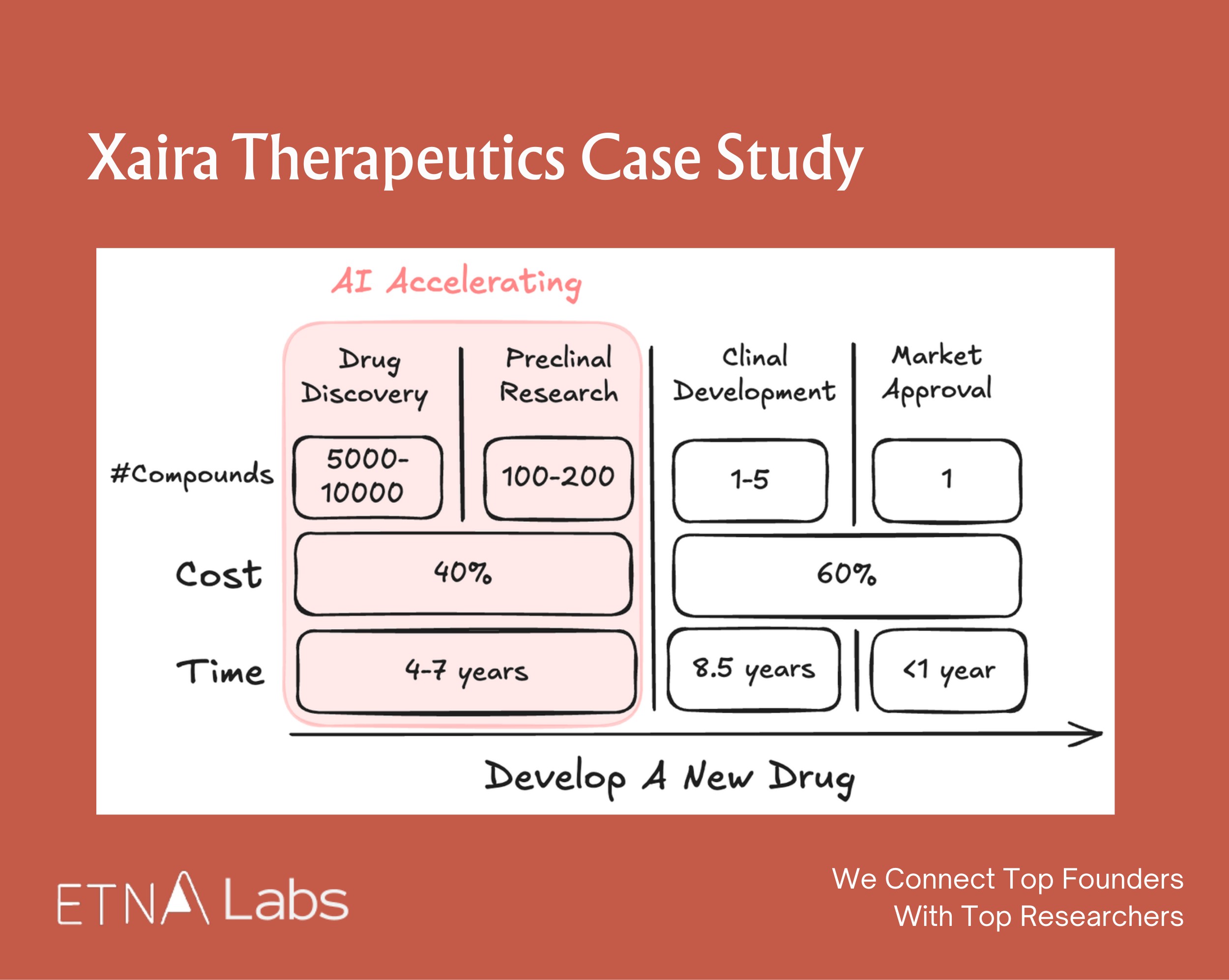
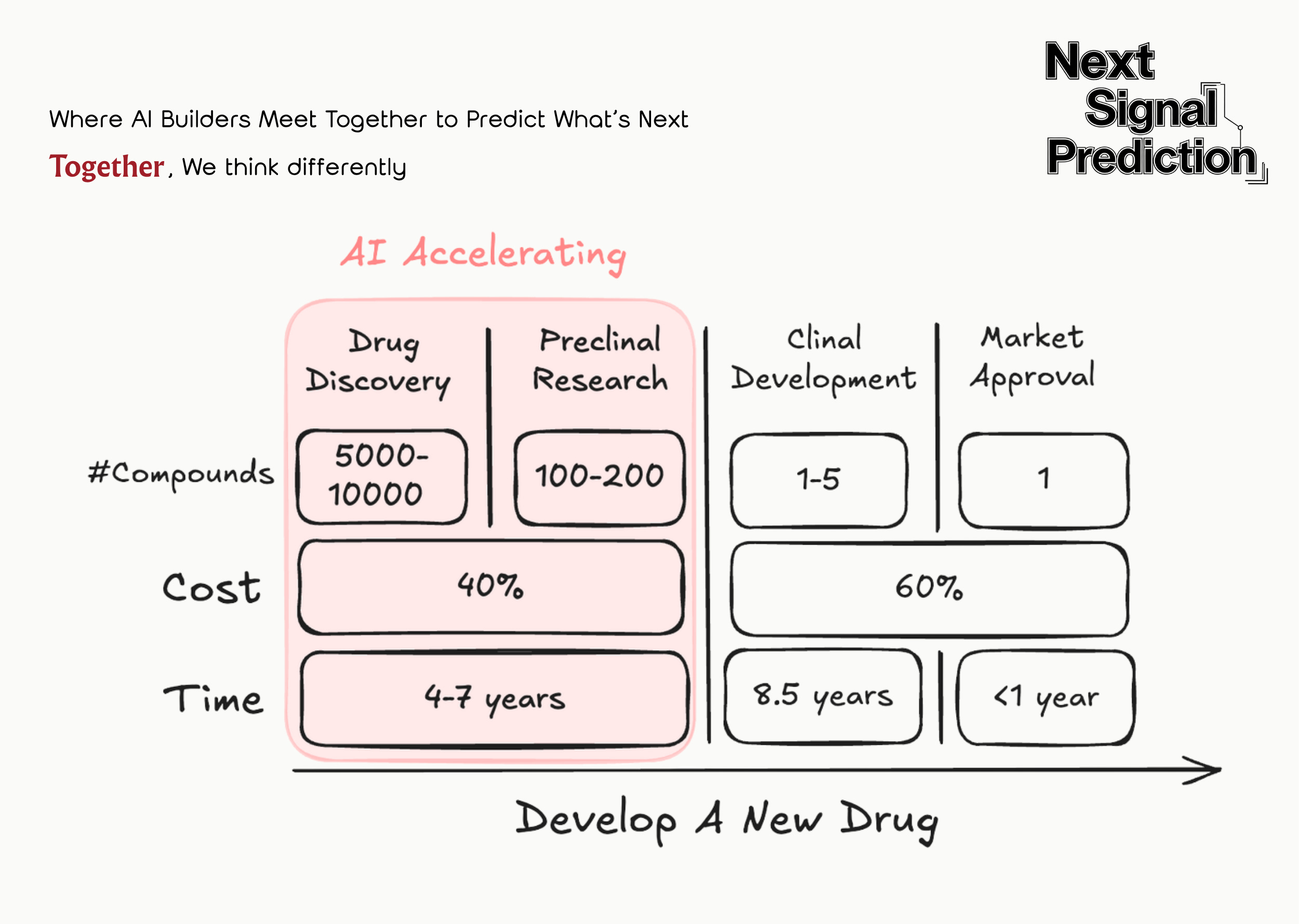
Xaira Therapeutics Case Study: An AI-native therapeutic giant.
- Background: Incubated by ARCH Venture, Foresite Labs, etc., initial funding over $1 billion, brings together former Genentech executives, David Baker, and other top academic/industry leaders.
- Positioning: An “integrated” AI biotech company aiming to leverage state-of-the-art generative AI (potentially including protein design) throughout the drug discovery and development process to create “previously unimaginable new medicines.”
- Strategy: A typical Bio x Generalist, using AI capabilities to cover the wide range from early discovery to clinical development, directly generating drug pipelines. Its huge funding and elite team signify VC’s major bet on the AI-driven end-to-end drug development model
Q2. How to Respond to New Capital Models?
The immense potential and challenges in the AI+Bio field have spurred new capital organization models:
Philanthropic Research Institutes (Future House, Arc Institute): Provide long-term, stable, non-commercial funding focusing on high-risk basic research and platform technology breakthroughs (like the creation and open-sourcing of Evo2).
Large VC Studios / Mega-Funding Rounds (Flagship/Lila, ARCH/Xaira): Rapidly consolidate talent, technology, and resources through incubation or direct massive investments to build high-starting-point platform or end-to-end AI bio companies.
Market Impact:
- Talent Drain: Top talent gravitates towards well-funded platforms with ambitious visions.
- Barriers Raised: Competition demands greater financial strength and resource integration capabilities.
- Ecosystem Evolution: Emerging platforms may become crucial technology partners for large pharmaceutical companies.
Investment Implications (Expanded):
- Early-Stage Strategy: 1) Follow the Leaders: Participate in seed or early rounds led by top VCs to share in the growth potential of high-profile projects. 2) Find “Niche Gems”: Look for startups in specific vertical areas (e.g., particular diseases, rare diseases) or “Picks and Shovels” plays (e.g., AI-driven automation software/hardware, specialized data providers) that can quickly demonstrate value and differentiation; these could become future acquisition targets.
- Monitor Open Source Ecosystem: The open-sourcing of foundational models (like Evo2) provides leverage for new teams; look for opportunities in application-layer innovation built on open models.
- Seize the “Cambrian” Window: The current landscape is not yet settled, making this a critical period (next 2-3 years) to identify and invest in the next generation of leaders. Requires keen observation of technological breakthroughs and early signs of commercial validation.
Q3. How to Understand Market Size?
Top-down Approach: Based on Industry Spending Ratios
- Global pharmaceutical R&D spending in 2022 was approximately $251 billion (US accounted for ~40%+, roughly $100 billion+). AI-related R&D investment is still a small percentage but growing rapidly. Linear estimation based on ResearchAndMarkets data suggests the global “AI + Pharma R&D” market was about $3 billion in 2023, projected to reach $15 billion by 2030.
- Assuming AI currently drives 5% of US R&D spending (~$5 billion potential market), if AI penetration deepens to 40% in the future, the Total Addressable Market (TAM) could reach hundreds of billions of dollars.
- Simultaneously, the cost per drug (currently averaging $2.6 billion) is expected to decrease, while the number of drugs entering the pipeline will significantly increase. Computationally driven scientific discovery will vastly expand the exploration space.
Bottom-up Approach: Aggregating Individual Applications
- In the US drug R&D sector, there are hundreds of pharmaceutical companies and thousands of new drug projects. Taking drug discovery as an example: Top pharma companies are extensively partnering with AI firms, e.g., BMS signed an AI drug discovery deal with Exscientia worth up to $1.2 billion (including $50 million upfront + milestones).
- If each large/medium pharma company spends tens of millions annually on AI drug design platforms, the top 50 US pharma companies could contribute $5 billion/year. Adding spending by smaller biotechs and research institutions on AI tools (model licenses, cloud services), the total could be several billion more annually. This bottom-up estimate places the current US “AI + Research” TAM around low single-digit billions annually (e.g., $2-3 billion). In the next 30 years, if most R&D pipelines utilize AI assistance (e.g., millions in AI tool budget per new drug project), the cumulative market space could reach tens of billions of dollars per year.
Value-Theory Approach: Potential Value Creation Perspective
- This method estimates market size based on the efficiency gains and value AI can create. AI promises significant reductions in R&D costs and improvements in success rates. According to Accenture and industry expert interviews, at peak application, AI could save ~50% of costs across various R&D stages. Developing a new drug currently averages 10 years and $2 billion+.
- If AI halves R&D costs, it could save the US pharmaceutical industry nearly $50 billion annually (based on $100 billion annual spend, saving 50%). This represents the upper limit of the “serviceable” market size – if AI vendors can capture this value through their business models, the US AI research market TAM could reach tens of billions of dollars annually in the long run.
Q2: Adapting to New Capital Models?
- New Structures: Philanthropic research institutes (Future House, Arc Institute) for foundational work and massive VC-backed studios/companies (Flagship/Lila, ARCH/Xaira) for rapid scaling are emerging.
- Market Impact: Talent consolidation, higher barrier to entry for new players, evolving ecosystem where new platforms partner with Big Pharma.
- Investor Strategy: Consider 1) Co-investing with top VCs in early rounds of high-potential companies. 2) Identifying “picks and shovels” or niche players with unique value propositions. 3) Leveraging open-source models (like Evo2) for application-layer innovation. 4) Recognizing the current “Cambrian” window (next 2-3 years) to invest in future leaders.
Q3: Understanding Market Size (AI for Biology)?
- Top-down: Global pharma R&D spend is ~$250B+. If AI captures 5-40% of US R&D spend (~$100B+) over time, the TAM is $5B - $40B+ annually. Add potential for cost reduction (avg. $2B+/drug) and increased throughput.
- Bottom-up: Based on current AI deals (e.g., $1B+ partnerships) and potential spend per company, near-term US TAM is likely low single-digit billions, growing towards tens of billions annually as AI adoption deepens.
- Value-theory: If AI cuts R&D costs by ~50% (as suggested by some analyses), it could unlock ~$50B/year in value within the US market alone, representing the long-term addressable market.
- Conclusion: The long-term TAM for AI in Biopharma R&D is plausibly in the tens to potentially over $100 billion annually.
III. AI for Healthcare: Tapping into Efficiency Gains
- Market Context: The US spends over $4 trillion annually on healthcare, with a significant portion attributed to inefficiency or waste. Authoritative studies estimate that about 25% of US healthcare spending ($760 billion - $935 billion) is considered waste. AI technology, by enhancing efficiency and reducing errors, has the potential to address a substantial part of this massive expenditure.
- Market Sizing: Assuming AI currently penetrates only 0.2% of total US healthcare spending (~$8 billion, comparable to current estimates), but could gradually penetrate 10% (conservative) to 20% (aggressive) of healthcare services and administrative segments in the future, the long-term TAM equates to $400 billion to $800 billion per year in potential market value. This top-down estimate suggests the ultimate US Healthcare AI market could rival the size of the current entire healthcare IT or even medical device markets, reaching the hundreds of billions of dollars level. However, near-term AI penetration will likely be gradual due to industry conservatism and regulatory constraints.
Key Application Areas and Representative Company Analysis
AI Scribe (Clinical Documentation Automation)
Market Pain Point: There are approximately 1 million practicing physicians in the US, plus many more nurses and technicians. Doctors spend, on average, over 40% of their work time on electronic health records (EHRs) and documentation – a significant “digital administrative burden.” AI Scribes can save each physician several hours of work, boosting productivity. If each physician (or their employing institution) pays ~$5,000 annually for such AI services, the corresponding market size is ~$5 billion/year.
Representative Company: Abridge
- Background: Founder and CEO is Dr. Shivdev Rao, a practicing cardiologist with a CMU undergraduate degree and professorship at UPMC’s Heart and Vascular Institute.
- Product: Provides clinical conversation recording and note generation solutions based on ASR (Automatic Speech Recognition) and generative AI. A core advantage is deep, seamless integration with major EHR systems like Epic, allowing doctors to use it easily within their existing workflow (e.g., recording via Epic mobile app, editing AI-generated SOAP notes directly on desktop). Key features include real-time generation, citation of original transcript evidence, and automated summaries. Also focuses on the patient side, providing reviews of doctor’s instructions.
- Business Model & Progress: B2B model, selling to healthcare systems. Achieved rapid customer acquisition due to excellent product experience and Epic integration. Recently completed two funding rounds totaling $180 million, with a valuation rumored to reach $2.5 billion, making it a star player in LLM applications for healthcare.
Medical Imaging AI / Pathology
Market Pain Point: Explosive growth in imaging data volume, high demand for diagnostic accuracy. The US has about 30,000 radiologists and numerous radiology technicians. AI can assist in reading X-rays, CT scans, MRIs, etc., improving diagnostic speed and accuracy.
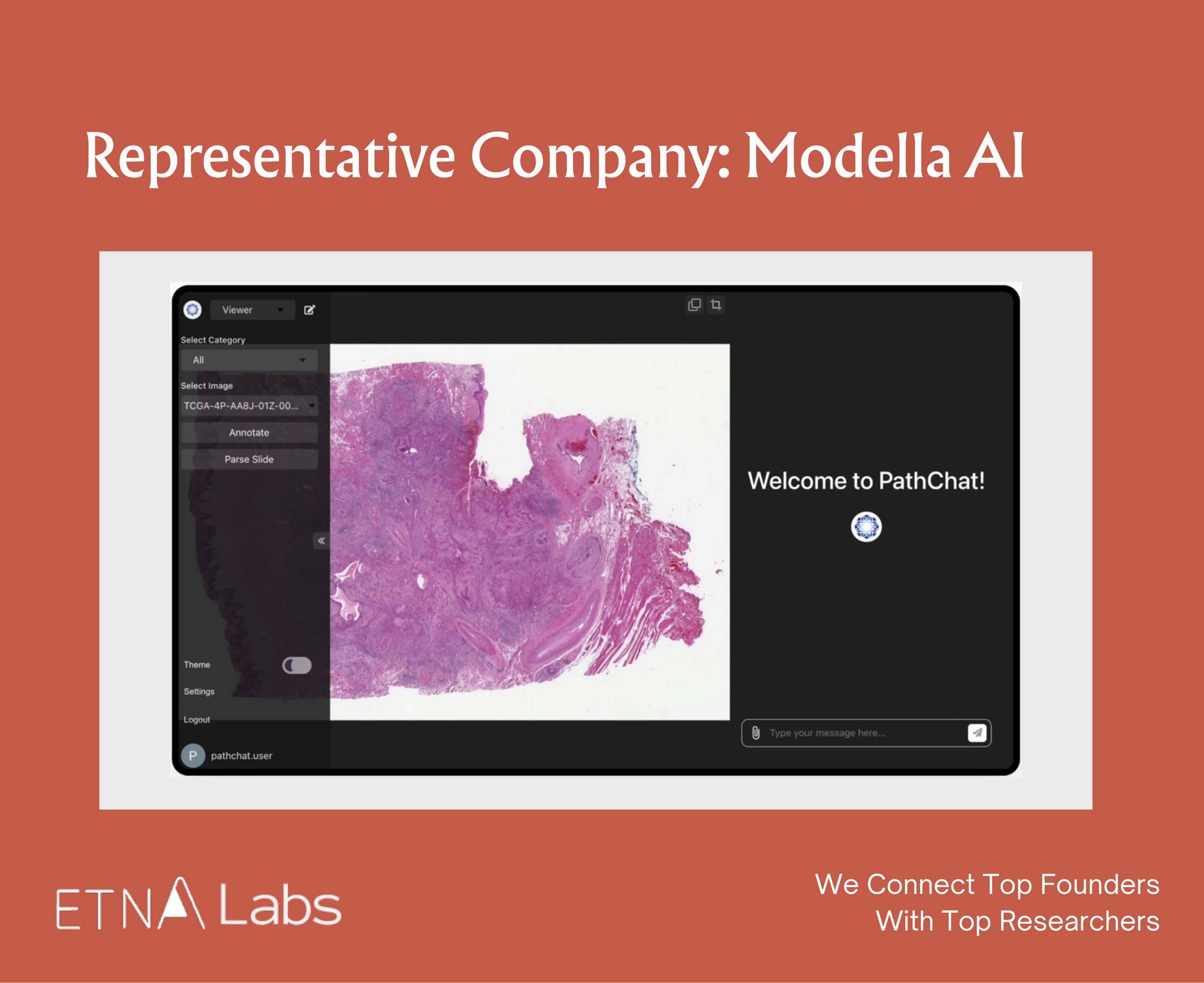
Representative Company: Modella AI
- Positioning: Focuses on multi-modal generative AI specifically for the field of pathology.
- Product: 1) PathChat: An AI Copilot for pathologists, supporting natural language interaction with pathology images (for identification, reporting, annotation, etc.). The clinical version, PathChat DX, received FDA Breakthrough Device Designation. 2) Judith: An AI Agent for research, performing tasks like image analysis, biomarker identification, and prognostic modeling.
- Technology: Based on vision-language models, integrating image and text understanding capabilities.
- Business Model: SaaS subscriptions, strategic collaborations with pharmaceutical companies/research institutions (for algorithm customization, biomarker discovery).
Diagnosis Copilot AI (Diagnostic Support)
Pain Point: Medical knowledge updates rapidly, making it difficult for physicians to stay current with the latest guidelines and evidence in real-time.
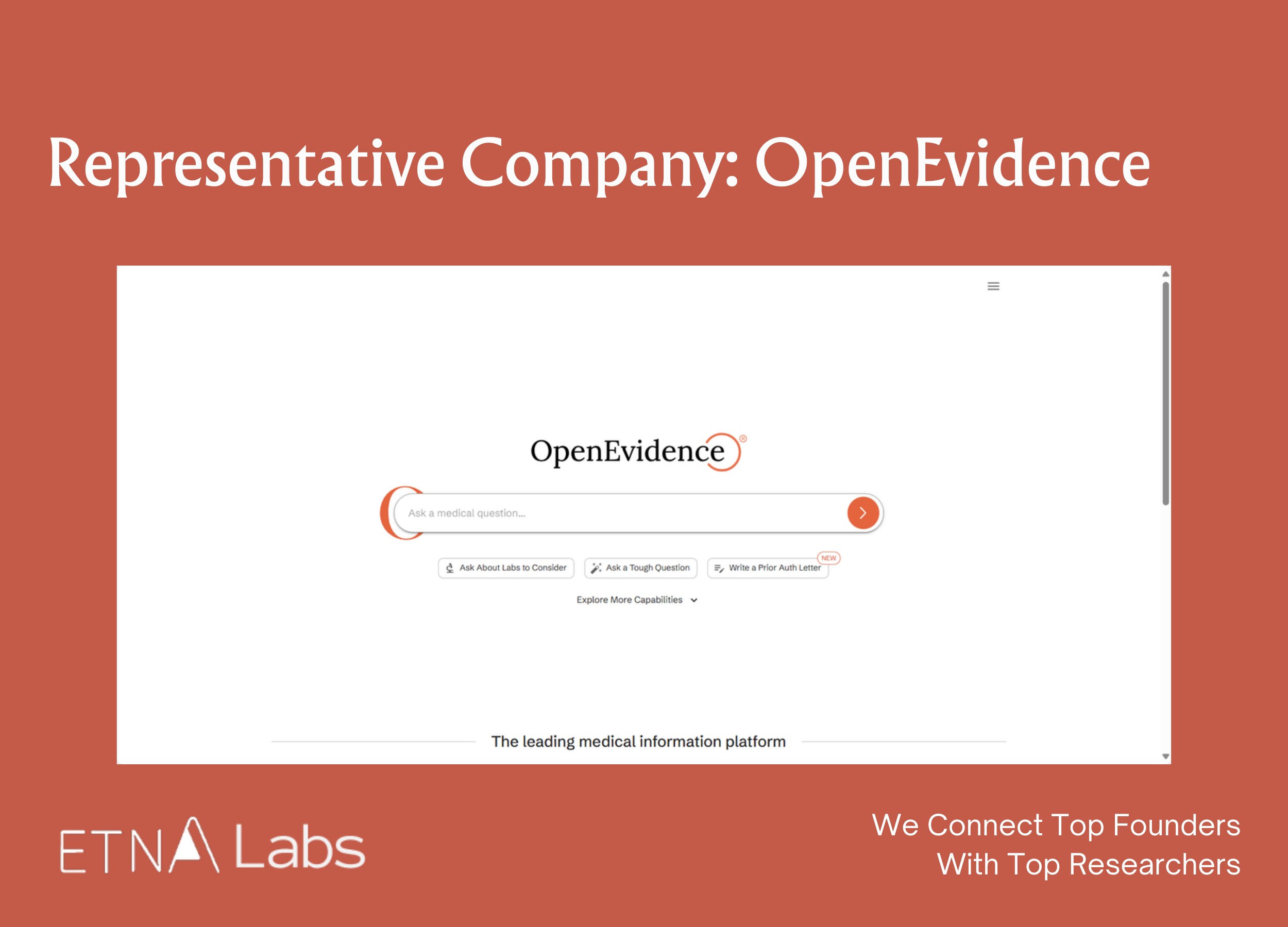
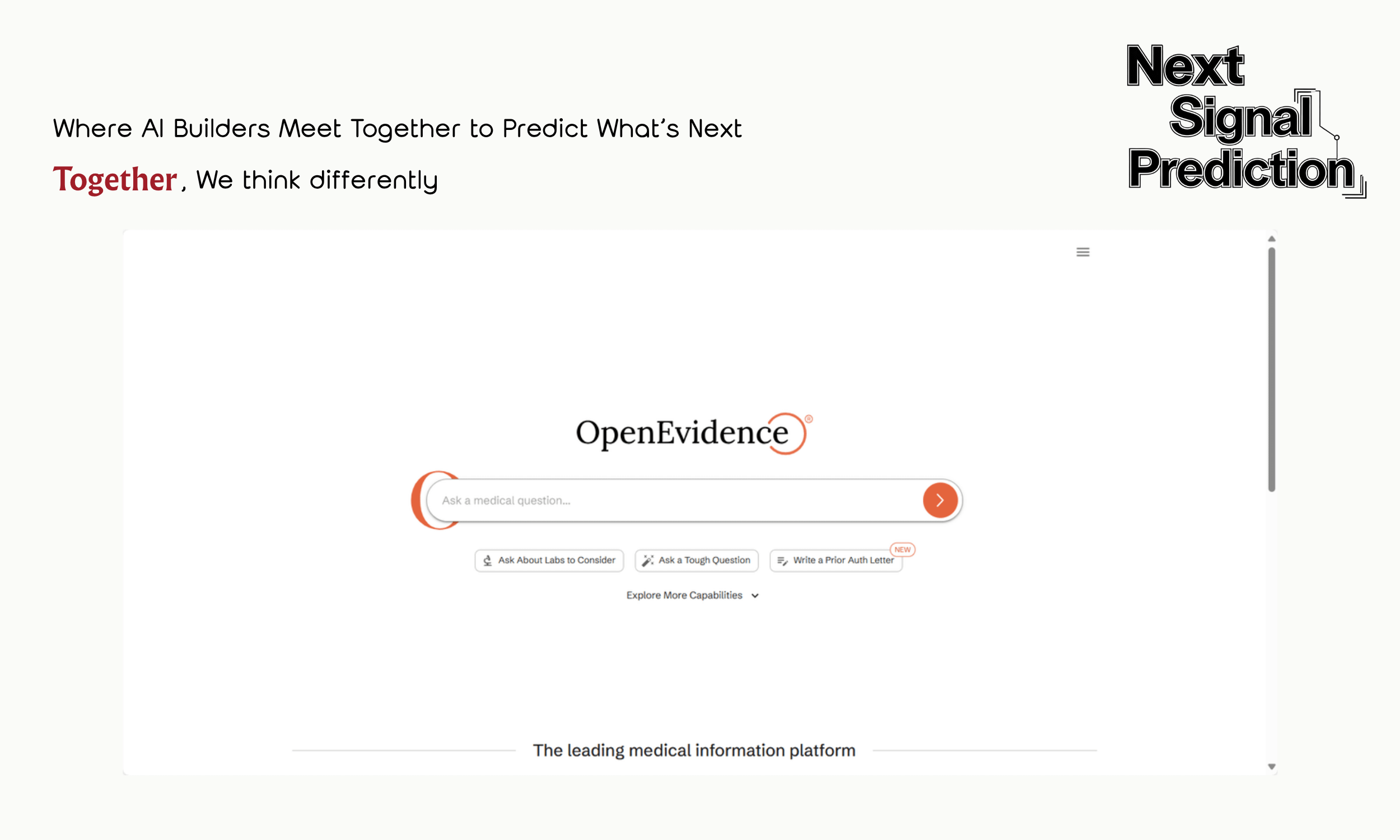
Representative Company: Open Evidence
- Background: Founded in 2021 by Daniel Nadler, a serial entrepreneur with a Harvard background. Announced a $75 million Series A led by Sequoia in February 2025, valuing the company at $1 billion.
- Product: An AI Chatbot / Deep Research tool for physicians. Distinguishing features include answers with cited references, offering both “Guideline” and “Evidence” modes, and intelligently suggesting follow-up questions. Functionality covers symptom analysis, diagnostic suggestions, treatment plan recommendations, drug comparisons, guideline lookups, administrative document generation (like authorization letters), and clinical calculators. Also offers literature summarization.
- Business Model & Strategy: Employs a freemium strategy targeting physicians directly (C-end), achieving viral growth through word-of-mouth (reportedly covering 20-25% of US physicians). Monetizes primarily through targeted advertising from pharmaceutical and medical device companies. This unique growth and monetization model is relatively uncommon among chatbot products.
AI Nurse (Patient Interaction & Communication)
Pain Point: Shortages of nursing and healthcare staff, inadequate patient education and follow-up, high service costs.
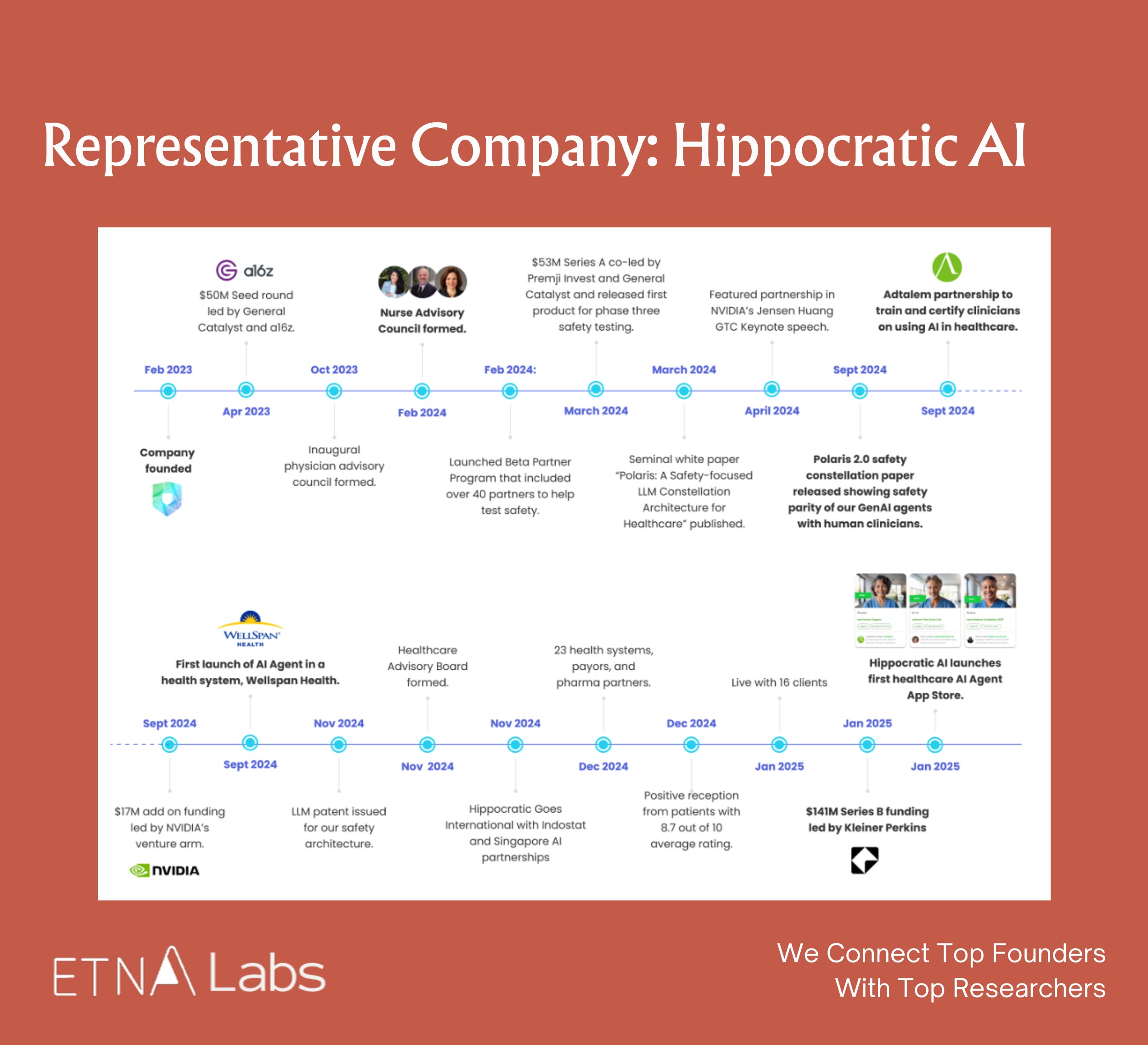
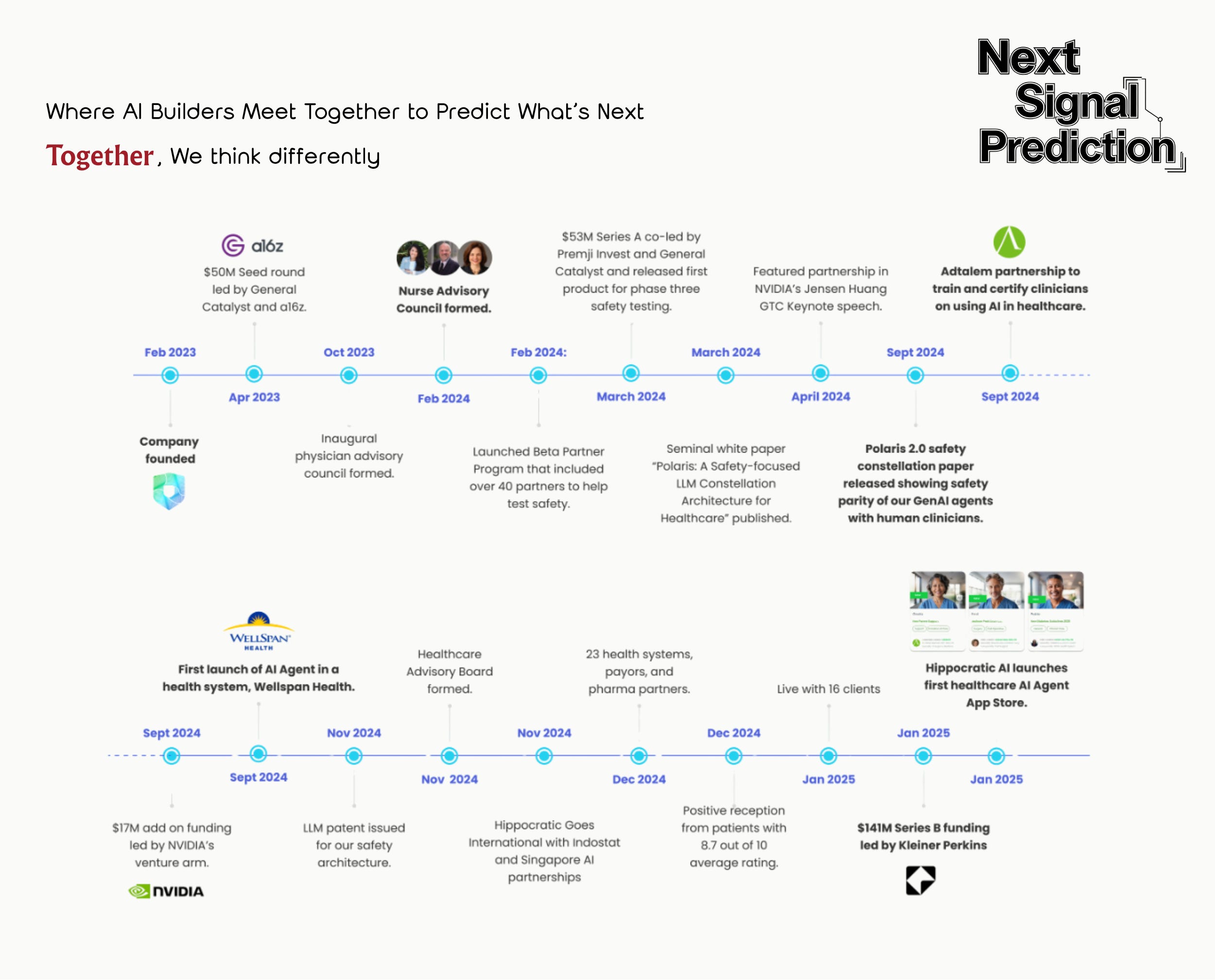
Representative Company: Hippocratic AI
- Background & Mission: Founded by serial entrepreneurs from the healthcare industry, emphasizing a “safety-first” approach. Aims to address the healthcare staffing shortage.
- Product: Core offering is Polaris, a safety-optimized healthcare LLM that powers AI Agents interacting with patients via phone for non-diagnostic tasks (e.g., pre-operative instructions, chronic disease management, medication reminders, appointment confirmations). The system includes ASR, LLM, TTS (Text-to-Speech), and supports no-code customization of Agents.
- Business Model & Pricing: B2B2C model, providing services to healthcare organizations. Pricing is highly competitive (around $10/hour), significantly lower than the average hourly wage for a registered nurse in the US (around $45/hour), highlighting a substantial cost advantage.
AI for Life Science Landscape
Back to All
Foundation Models are driving a Cambrian explosion in the Life Science domain. AI possesses superhuman advantages in understanding and modeling complex, non-linear biological systems, making it a critical engine for drastically accelerating scientific discovery and improving healthcare efficiency. The investment window is opening, with two primary opportunity vectors emerging:
- AI for Biology: Foundation models are driving platform-level technological shifts with the potential to generate disruptive therapies and diagnostics. The upside here is immense, comparable to building the next Eli Lilly or Illumina, but carries higher risk.
- AI for Healthcare: AI is being deployed to overhaul inefficient healthcare workflows, reduce significant waste, and supplement human resources. This area offers higher certainty, akin to a vertical SaaS play, with the potential to create the next Nuance or Neeva.
AI for biology
I. AI for Biology: Mapping the Landscape
We categorize companies using a 2x2 matrix:
- Horizontal Axis: Generalist vs. Specialist (Breadth of coverage across the R&D value chain vs. deep focus on specific niches).
- Vertical Axis: Tech vs. Bio (Focus on delivering platform technology vs. directly developing biological/clinical solutions).
Investment Priorities & Key Players:
High Priority:
Tech x Specialist (Biology Foundation Models): These companies build foundational AI models for specific biological tasks, primarily structural biology.
- Following are companies building protein structure foundation model, for building small-molecule medicine. Next steps are mapping potential foundation model in other science,
- Isomorphic Labs: A DeepMind spin-off leveraging AlphaFold technology. Major partnerships inked with Eli Lilly and Novartis, featuring potential multi-billion euro milestones, validating its tech platform focused on structure prediction.
- Chai Discovery: Rapidly reproduced and built upon AlphaFold concepts using Diffusion models for flexible structure prediction. Secured significant seed funding ($30M at $150M valuation, Sept 2024) from OpenAI and Thrive Capital.
- EvolutionaryScale: Founded by ex-Meta AI lead, focusing on the ESM3 model family (up to 98B parameters). Uses bidirectional Transformers for multi-modal (sequence, structure, function) integration, demonstrating clear scaling laws. Backed by Nvidia, Amazon, and others ($142M seed, June 2024).
Tech x Biologist (Automated Science Platforms / “AI Scientist”): These aim to automate the research process itself.
- This segment is rather new. We should actively seek high-potential early-stage startups.
- Lila Sciences: Flagship Pioneering incubation building a “scientific superintelligence platform” combining AI-driven experimental design with automated lab hardware for high-throughput screening. Focuses on platform enablement rather than internal pipeline.
- FutureHouse: Non-profit backed by Eric Schmidt et al., aiming to build complete AI scientist systems to drive fundamental breakthroughs. Focuses on developing autonomous AI agents for research.
Lower Priority (Requires Caution):
- Bio x Specialist (AI-Enabled Solutions): Companies focusing AI on specific R&D steps like target discovery, drug repurposing, or clinical trial matching to enhance efficiency for traditional pharma. Lower platform risk but potentially capped upside.
- Bio x Generalist (AI-native Therapeutics): Companies building end-to-end AI platforms to develop their own drug pipelines, especially complex modalities like biologics or cell therapy. High potential reward but carries significant biological/clinical risk and capital requirements.
Investment Strategy Recommendation (AI for Biology):
- Actively Invest: Prioritize platform technology companies (Tech axis), especially those in the AI Scientist / Automated Science space (top-right quadrant). This is where LLMs and foundation models offer the most transformative potential in a large market, allowing for early-stage investment at potentially favorable valuations.
- Invest Cautiously: Be selective with Therapeutics-focused companies (Bio axis). Reasons: 1) Requires deep biotech/wet-lab expertise and risk assessment, which may be outside a pure tech fund’s core competency. 2) Companies heavily reliant on wet labs face high operational costs and risks, deviating from the core thesis of automation unless carefully vetted.
Tech × Specialist Deep Dive: Paradigm Shifts in Biology Foundation Models
AlphaFold’s Milestone and Isomorphic Labs’ Commercialization:
- AlphaFold’s success is a landmark event for AI in science. It solved the 50-year-old challenge of predicting protein 3D structures, reducing timelines from months or years (using cryo-EM) to rapid computational predictions. Since structure dictates function, AlphaFold’s breakthrough accelerates our understanding of life processes and drug design.
- AlphaFold 3’s Evolution: Jointly developed by Google DeepMind and its spin-off Isomorphic Labs, it not only maintains high accuracy in protein structure prediction but also expands capabilities to predict the structures and interactions of complexes involving proteins with DNA, RNA, small molecules, ions, etc. Technically, it incorporates Diffusion Models, simplifying the process, reducing reliance on multiple sequence alignments (MSAs), and broadening the types of input molecules. It was trained on the public PDB database, augmented with synthetic data to enhance generalization.
- Isomorphic Labs’ Strategy and Progress: Spun out of DeepMind, led by Nobel laureate and DeepMind founder Demis Hassabis, with a core team from the original AlphaFold project – top-tier technical talent. Reportedly over 70 employees. Signed major collaboration agreements with Eli Lilly and Novartis. The Lilly deal involves €41 million upfront and up to €1.55 billion in milestones, focusing on small molecule discovery. The Novartis deal includes €34 million upfront and up to €1.1 billion total. These partnerships validate the commercial value of its technology and provide real-world drug discovery scenarios and data feedback. Isomorphic Labs positions itself as a technology platform provider (Tech) focusing on the core task of structure prediction (Specialist).
Model Directions Beyond AlphaFold: Generality and Genomics:
AlphaFold ignited the boom in biology foundation models. Subsequent models explore different paths:
EvolutionaryScale and ESM3: General Biological Multimodal Models
- Background: Founded by Alex Rives, former head of Meta AI’s protein team. Launched the ESM3 model in June 2024 and announced a $142 million seed round backed by Nvidia, Amazon, Daniel Gross, Lux Capital, Nat Friedman, etc.
- Technical Path: Aims to create a general-purpose biological foundation model akin to GPT. ESM3 is based on a bidirectional Transformer, uniquely integrating sequence, structure, and function modalities as both inputs and outputs. The model fuses multimodal information during encoding and can predict other modalities from any input combination during decoding (e.g., sequence to structure, structure to function).
- Model Characteristics: Comes in 1.4B, 7B, and 98B parameter sizes, demonstrating clear Scaling Laws (larger parameters yield better performance). Performance on specific tasks (like tertiary coordination) significantly improved via RLHF (similar to instruction fine-tuning).
- Product & Positioning: Currently offering model access via a web interface (beta). Aims to cover broader drug discovery tasks (structure prediction, drug generation, property prediction, etc.). While it might currently lag specialized models on single tasks like structure prediction, its multi-task, multi-modal capabilities represent a significant future direction.
Chai Discovery and Chai-1: Fast Follower with Focus
- Background: Extremely fast replication in the AlphaFold direction. Secured a $30 million seed round led by Thrive Capital and OpenAI (Sept 2024), at a $150 million valuation.
- Technical Path: Employs Diffusion models similar to AlphaFold 3 for structure prediction, focusing on high-precision prediction of protein and complex structures.
- Positioning: Clearly positioned as a strong competitor in structure prediction, providing accurate, fast platform technology services (Tech x Specialist). Its rapid backing from top VCs and strategic investors (OpenAI, Thrive) shows market validation for this focused approach.
ARC Institute and Evo2: Decoding the Language of the Genome - Virtual Cell Foundation Model
- Background: Led by researchers at the ARC Institute (a novel philanthropic research organization), developed in collaboration with NVIDIA and others.
- Technical Features: A genome language model (40B parameters) trained on over 9 trillion base pairs, featuring an ultra-long context window of 1 million base pairs, enabling capture of long-range dependencies across the genome.
- Core Capabilities: 1) Predicts variant function: e.g., >90% accuracy in classifying BRCA1 gene mutations as benign or malignant. 2) Designs biological sequences: Can design new gene elements, regulatory sequences (like tissue-specific promoters), and even “artificial life code.”
- Strategic Significance: Evo2 represents the foundation model paradigm at the sequence level, complementing structure-level models like AlphaFold. It allows understanding and intervention at the genetic blueprint level, providing new tools for gene therapy and synthetic biology. ARC Institute’s choice to open-source Evo2 accelerates progress across the entire field.
Summary: Biology foundation models are evolving from single-task focus (structure prediction) towards multi-modality and generality (ESM3) and deep genomic understanding (Evo2). Together, these models form the computational bedrock for biological research, promising intelligent analysis and design across scales (gene-protein-function).
Deep Dive: Tech x Biologist - The AI Scientist Revolutionizing R&D
The Challenge: Traditional biological research faces long cycles, high costs, and difficulty reproducing results (estimated $28 billion wasted annually). The extreme complexity of biological systems makes manual trial-and-error highly inefficient. The AI Scientist aims to overcome these bottlenecks by automating the research process.
Core Concept: Equipping AI, particularly Large Language Models (LLMs), with reasoning, planning, and tool-use capabilities, enabling them to function like research assistants or even scientists. This involves integrating literature search, experimental design, data analysis, and robotics control.
Relationship with Biology Foundation Models: Within the automated research framework, various foundation models play crucial roles, analogous to high-level planning and low-level execution/tool usage in robotics. The LLM provides powerful reasoning and knowledge integration, learning from literature, designing protocols, and optimizing decisions. Specialized foundation models like AlphaFold and Evo2 serve as the AI assistant’s “toolbox,” called upon when needed. For example, an agent designing a drug might call AlphaFold to predict ligand-protein binding poses, or call Evo2 to predict mutation effects when studying gene function. Foundation models become the infrastructure enabling AI agents to perform many cognitive and analytical tasks without human intervention.
Key Companies:
Lila Sciences (Flagship Pioneering incubation):
- Positioning: Building a “scientific superintelligence platform” combining an AI engine with a fully automated laboratory for end-to-end scientific discovery automation.
- Technical Core: 1) Generative AI science engine: Capable of autonomous hypothesis generation, experimental design, parameter optimization, and reasoning incorporating physical laws. 2) Automated lab infrastructure: Integrates robotics and high-throughput equipment for 24/7 unattended experiments.
- Disclosed Progress (Early): Preliminary results in discovering new antibodies/peptides, designing catalysts (e.g., for green hydrogen), and developing carbon capture materials.
- Business Model: Leans towards technology licensing and collaborative enablement, planning to partner with biotech companies (including Flagship’s portfolio) rather than developing its own pipeline. Positioned as Tech x Generalist, offering broad research automation capabilities.
Future House (Non-profit Research Organization):
- Background & Mission: Supported by Eric Schmidt and others, aiming to use AI to accelerate solutions for major challenges like disease treatment and climate change.
- Model: Employs a non-profit FRO (Focused Research Organization) model for long-term investment. Focuses on developing “AI Scientist” systems capable of autonomously posing scientific questions and exploring them, as well as “AI Science Assistants” to aid human researchers.
- Technical Framework: Proposes a four-layer automated science framework: Tool Layer (foundation models, device interfaces), AI Assistant Layer (task-specific models), AI Scientist Layer (core autonomous research agent), Human Layer (defining exploration tasks, supervision). Emphasizes the AI Agent’s autonomous planning and iteration capabilities.
Impact: The AI Scientist concept promises to increase individual scientist output by 10-100x. Foundation models become core tools callable by AI Agents. This paradigm shifts research from labor-intensive to knowledge- and compute-intensive, dramatically accelerating innovation cycles.
Deep Dive: Bio x Generalist - AI-native Therapeutics
Core Positioning: These companies are truly “AI-native” pharmaceutical firms. Their goal is to build an integrated platform with AI at its core, spanning the entire process from drug discovery to clinical development, and use this platform to independently develop and advance innovative therapy pipelines. AI is not just a tool; it’s the foundation and engine of their R&D paradigm.
Business Model: Aims to become a biotech company with a proprietary pipeline of therapies. Success comes from advancing drug candidates through clinical trials towards commercialization, or seeking high-value licensing deals or acquisitions at later clinical stages or post-approval.
Breadth and Depth of AI Integration:
- AI is systematically applied across multiple, often all, key stages: From target identification based on multi-dimensional data and biological knowledge, to using generative AI for de novo design or optimization of small molecules, antibodies, peptides, or even more complex biologics with desired properties. This extends to predicting pharmacokinetic/pharmacodynamic (PK/PD) properties, toxicity (ADMET), assisting clinical trial design, analyzing trial data, and predicting patient responses.
- These companies often strive to build a data flywheel: AI predictions guide experimental design, and experimental data feeds back to refine AI models, creating a continuous learning and evolution loop.
Especially Suited for Complex/Novel Therapies: The AI-driven end-to-end approach may be particularly advantageous in areas with vast design spaces where traditional trial-and-error struggles, such as:
- Complex Biologics Design: Designing antibodies, protein drugs with specific binding sites, multi-specificity, or conditional activation features.
- Cell Therapy: AI optimizing cell differentiation protocols (referencing prior internal discussion on Somite AI).
- Gene Therapy: Designing more efficient and specific delivery vectors (like AAV capsids) or using AI (like Evo2) to design regulatory elements for precise gene expression.
Investment Considerations:
- Advantages: Enormous success potential, with a single approved drug potentially generating billions or tens of billions in revenue. Truly leverages AI to disrupt traditional R&D models and build deep competitive moats.
- Challenges: Extremely high risk and uncertainty, long development cycles (potentially over a decade), massive capital requirements (highlighted by Xaira’s $1 billion+ initial funding). Requires not only top-tier AI capabilities but also strong expertise in biology, chemistry, clinical development, and regulatory affairs, demanding exceptional cross-disciplinary teams. Platform validation relies on pipeline progress, making early assessment difficult.
Representative Companies:
Xaira Therapeutics:
- Background: Incubated by ARCH Venture Partners, Foresite Labs, etc., with over $1 billion in initial funding. Brings together top academic (David Baker) and industry leaders (former Genentech executives).
- Positioning: An “integrated” AI biotech company aiming to apply cutting-edge generative AI (likely including protein design) across the entire drug discovery and development process to create “previously unimaginable new medicines.”
- Strategy: A classic Bio x Generalist, using AI capabilities to cover the broad spectrum from early discovery to clinical development, directly producing drug pipelines. Its massive funding and all-star team represent VC’s significant bet on the AI-driven end-to-end drug development model.
Generate Biomedicines (Flagship Pioneering incubation, founded 2018):
- Positioning: Pioneering “Generative Biology,” using its core AI-driven “Generate Platform” (including the Chroma AI model) for de novo design and development of various protein therapies (antibodies, enzymes, peptides, CAR-T, etc.). A clinical-stage company aiming for end-to-end drug generation.
- Technical Core: Machine learning models trained on vast protein data learn sequence-structure-function relationships to computationally generate novel proteins with optimized therapeutic properties; tightly integrated with high-throughput wet labs (including advanced cryo-EM) for closed-loop learning, enabling programmable biology.
- Validation & Progress: Raised over $643 million (investors include Flagship, Fidelity, ARCH, Amgen, Novartis). Secured major collaborations potentially worth over $1 billion each with Amgen and Novartis. Multiple internal pipeline programs (immunology, oncology) entering or nearing Phase I clinical trials.
- Classification: Falls under Bio x Generalist (AI-native Therapeutics), using a foundational AI platform to build its own drug pipeline, fundamentally aiming to change how medicines are created.
Moonwalk Bio:
- Positioning: A precision epigenetic medicine company aiming to “read” the epigenome (EpiRead - AI-driven high-resolution mapping) and “write” precise epigenetic modifications (EpiWrite - multiplex editing tools) using its end-to-end platform to treat diseases, initially focusing on cardiovascular-metabolic areas. Currently preclinical.
- Technical Core: Integrates AI-driven epigenomic target prediction and mapping, non-DNA-cutting precise multiplex epigenetic editing tools, and an epigenomic foundation model (EFM) for predicting cell state transition targets.
- Validation & Progress: Completed $57 million in Seed and Series A funding (investors include Khosla, ARCH, GV, Alpha Wave). Experienced founding team (including CRISPR pioneer Feng Zhang, former Illumina CTO). Early platform data presented at scientific conferences.
- Classification: Primarily categorized as Bio x Generalist (AI-native Therapeutics), using its unique “read/write” epigenomic platform to develop an internal therapeutic pipeline, with AI playing a key enabling and discovery role.
Investment Considerations: Massive potential upside (blockbuster drugs), but extremely high risk, long timelines (10+ years), huge capital needs (e.g., Xaira’s $1B+ seed), and requires elite cross-disciplinary teams. Early validation is difficult.
Representative Companies:
- Xaira Therapeutics: ARCH/Foresite-backed behemoth ($1B+ seed) integrating top AI (David Baker lab influence) and pharma talent (ex-Genentech leaders) to create novel drugs across the full R&D spectrum. Epitomizes the high-risk, high-reward Bio x Generalist play.
- Generate Biomedicines: Flagship-backed clinical-stage company pioneering “Generative Biology” with its AI platform (Chroma) for de novo protein therapeutic design. Validated by $643M+ funding and major pharma deals (Amgen, Novartis).
- Moonwalk Bio: Precision epigenomic medicine company using AI (”EpiRead”) to map the epigenome and precise editing tools (”EpiWrite”) to develop therapies. Preclinical, backed by Khosla, ARCH, GV ($57M Seed/A).
Deep Dive: Bio x Specialist - AI for Focused R&D Optimization
Core Positioning: These companies typically do not aim to cover the entire drug R&D process but instead use AI to deeply optimize specific, critical segments of the biopharma value chain. They function more like “enhancers” or “accelerators” within the traditional R&D ecosystem, solving particular pain points with highly specialized AI capabilities to improve efficiency or uncover new opportunities.
Typical Application Scenarios & AI Enablement:
- Target Discovery: Using AI algorithms (like machine learning, graph neural networks) to integrate and analyze massive multi-omics data (genomics, transcriptomics, proteomics, etc.), literature data, and clinical data to identify novel disease-associated biomarkers, pathogenic pathways, or potential drug targets. AI can uncover complex patterns and correlations difficult for humans to discern, generating novel, data-driven target hypotheses.
- Drug Repurposing: Applying AI to analyze known information about existing drugs (chemical structure, mechanism of action, side effects, clinical trial data) alongside extensive disease models (e.g., disease-related gene expression profiles, pathway perturbations) to predict the potential efficacy of approved or clinical-stage drugs for new indications. This strategy can significantly shorten development timelines, reduce failure risk, and lower costs.
- Clinical Trial Optimization: Using AI to analyze patient electronic health records (EHRs), genomic information, imaging data, etc., to more accurately screen subjects meeting complex inclusion/exclusion criteria (Patient Matching). AI can also predict a patient’s probability of responding to a specific therapy, enabling smarter stratification and recruitment, thereby increasing clinical trial success rates and shortening trial durations.
- Lead Compound Screening & Optimization: Focusing on using AI models (like generative models, QSAR models) for virtual screening of large compound libraries or optimizing the structure of existing lead compounds to enhance activity, selectivity, or improve drug-like properties (ADMET).
Business Models: These companies often adopt partnership-driven models. They might:
- License their AI-discovered targets or drug candidates to large pharmaceutical or biotech companies for subsequent development.
- Establish collaborations with pharmaceutical companies to provide specific AI analysis services or co-develop projects up to a certain stage.
- Develop and sell AI software tools or platform modules for specific R&D steps.
Investment Considerations:
- Typically require less upfront capital. Technology validation and business model validation might be faster (easier to measure efficiency gains in a single segment). They integrate closely with the existing industry ecosystem, offering relatively clearer partnership and exit pathways.
- The potential value ceiling for a single project might be lower than that of companies with full pipelines. High dependency on partners. Need to continually demonstrate the superiority and irreplaceability of their AI technology in their specific niche.
II. Key Strategic Questions
Q1. Platform vs. Therapeutic, Tech vs. Bio? The Choice of Business Model
AI entrepreneurship in the bio-domain presents diverse paths:
Model Definitions:
- Platform-Type (Tech): Provides general AI technology/tools (e.g., Isomorphic, EvolutionaryScale). Analogous to Illumina, selling “shovels.”
- Therapeutic-Type (Bio/AI Biotech): Uses AI to develop its own drug pipeline (e.g., Xaira). Similar to traditional Biotech, selling “gold.”
Challenges & Trade-offs: Platform types need to overcome data barrier issues to build proprietary data moats. Therapeutic types bear high R&D risk and investment costs, including the high risk of clinical trials.
Hybrid & Validation: Many companies attempt combinations (e.g., Recursion Pharmaceuticals, validating platform capabilities then expanding the pipeline). The key is using AI to achieve significantly better results than traditional methods in specific segments (target discovery, lead design, synthetic biology, etc.) to prove value.
Xaira Therapeutics Case Study: An AI-native therapeutic giant.
- Background: Incubated by ARCH Venture, Foresite Labs, etc., initial funding over $1 billion, brings together former Genentech executives, David Baker, and other top academic/industry leaders.
- Positioning: An “integrated” AI biotech company aiming to leverage state-of-the-art generative AI (potentially including protein design) throughout the drug discovery and development process to create “previously unimaginable new medicines.”
- Strategy: A typical Bio x Generalist, using AI capabilities to cover the wide range from early discovery to clinical development, directly generating drug pipelines. Its huge funding and elite team signify VC’s major bet on the AI-driven end-to-end drug development model
Q2. How to Respond to New Capital Models?
The immense potential and challenges in the AI+Bio field have spurred new capital organization models:
Philanthropic Research Institutes (Future House, Arc Institute): Provide long-term, stable, non-commercial funding focusing on high-risk basic research and platform technology breakthroughs (like the creation and open-sourcing of Evo2).
Large VC Studios / Mega-Funding Rounds (Flagship/Lila, ARCH/Xaira): Rapidly consolidate talent, technology, and resources through incubation or direct massive investments to build high-starting-point platform or end-to-end AI bio companies.
Market Impact:
- Talent Drain: Top talent gravitates towards well-funded platforms with ambitious visions.
- Barriers Raised: Competition demands greater financial strength and resource integration capabilities.
- Ecosystem Evolution: Emerging platforms may become crucial technology partners for large pharmaceutical companies.
Investment Implications (Expanded):
- Early-Stage Strategy: 1) Follow the Leaders: Participate in seed or early rounds led by top VCs to share in the growth potential of high-profile projects. 2) Find “Niche Gems”: Look for startups in specific vertical areas (e.g., particular diseases, rare diseases) or “Picks and Shovels” plays (e.g., AI-driven automation software/hardware, specialized data providers) that can quickly demonstrate value and differentiation; these could become future acquisition targets.
- Monitor Open Source Ecosystem: The open-sourcing of foundational models (like Evo2) provides leverage for new teams; look for opportunities in application-layer innovation built on open models.
- Seize the “Cambrian” Window: The current landscape is not yet settled, making this a critical period (next 2-3 years) to identify and invest in the next generation of leaders. Requires keen observation of technological breakthroughs and early signs of commercial validation.
Q3. How to Understand Market Size?
Top-down Approach: Based on Industry Spending Ratios
- Global pharmaceutical R&D spending in 2022 was approximately $251 billion (US accounted for ~40%+, roughly $100 billion+). AI-related R&D investment is still a small percentage but growing rapidly. Linear estimation based on ResearchAndMarkets data suggests the global “AI + Pharma R&D” market was about $3 billion in 2023, projected to reach $15 billion by 2030.
- Assuming AI currently drives 5% of US R&D spending (~$5 billion potential market), if AI penetration deepens to 40% in the future, the Total Addressable Market (TAM) could reach hundreds of billions of dollars.
- Simultaneously, the cost per drug (currently averaging $2.6 billion) is expected to decrease, while the number of drugs entering the pipeline will significantly increase. Computationally driven scientific discovery will vastly expand the exploration space.
Bottom-up Approach: Aggregating Individual Applications
- In the US drug R&D sector, there are hundreds of pharmaceutical companies and thousands of new drug projects. Taking drug discovery as an example: Top pharma companies are extensively partnering with AI firms, e.g., BMS signed an AI drug discovery deal with Exscientia worth up to $1.2 billion (including $50 million upfront + milestones).
- If each large/medium pharma company spends tens of millions annually on AI drug design platforms, the top 50 US pharma companies could contribute $5 billion/year. Adding spending by smaller biotechs and research institutions on AI tools (model licenses, cloud services), the total could be several billion more annually. This bottom-up estimate places the current US “AI + Research” TAM around low single-digit billions annually (e.g., $2-3 billion). In the next 30 years, if most R&D pipelines utilize AI assistance (e.g., millions in AI tool budget per new drug project), the cumulative market space could reach tens of billions of dollars per year.
Value-Theory Approach: Potential Value Creation Perspective
- This method estimates market size based on the efficiency gains and value AI can create. AI promises significant reductions in R&D costs and improvements in success rates. According to Accenture and industry expert interviews, at peak application, AI could save ~50% of costs across various R&D stages. Developing a new drug currently averages 10 years and $2 billion+.
- If AI halves R&D costs, it could save the US pharmaceutical industry nearly $50 billion annually (based on $100 billion annual spend, saving 50%). This represents the upper limit of the “serviceable” market size – if AI vendors can capture this value through their business models, the US AI research market TAM could reach tens of billions of dollars annually in the long run.
Q2: Adapting to New Capital Models?
- New Structures: Philanthropic research institutes (Future House, Arc Institute) for foundational work and massive VC-backed studios/companies (Flagship/Lila, ARCH/Xaira) for rapid scaling are emerging.
- Market Impact: Talent consolidation, higher barrier to entry for new players, evolving ecosystem where new platforms partner with Big Pharma.
- Investor Strategy: Consider 1) Co-investing with top VCs in early rounds of high-potential companies. 2) Identifying “picks and shovels” or niche players with unique value propositions. 3) Leveraging open-source models (like Evo2) for application-layer innovation. 4) Recognizing the current “Cambrian” window (next 2-3 years) to invest in future leaders.
Q3: Understanding Market Size (AI for Biology)?
- Top-down: Global pharma R&D spend is ~$250B+. If AI captures 5-40% of US R&D spend (~$100B+) over time, the TAM is $5B - $40B+ annually. Add potential for cost reduction (avg. $2B+/drug) and increased throughput.
- Bottom-up: Based on current AI deals (e.g., $1B+ partnerships) and potential spend per company, near-term US TAM is likely low single-digit billions, growing towards tens of billions annually as AI adoption deepens.
- Value-theory: If AI cuts R&D costs by ~50% (as suggested by some analyses), it could unlock ~$50B/year in value within the US market alone, representing the long-term addressable market.
- Conclusion: The long-term TAM for AI in Biopharma R&D is plausibly in the tens to potentially over $100 billion annually.
III. AI for Healthcare: Tapping into Efficiency Gains
- Market Context: The US spends over $4 trillion annually on healthcare, with a significant portion attributed to inefficiency or waste. Authoritative studies estimate that about 25% of US healthcare spending ($760 billion - $935 billion) is considered waste. AI technology, by enhancing efficiency and reducing errors, has the potential to address a substantial part of this massive expenditure.
- Market Sizing: Assuming AI currently penetrates only 0.2% of total US healthcare spending (~$8 billion, comparable to current estimates), but could gradually penetrate 10% (conservative) to 20% (aggressive) of healthcare services and administrative segments in the future, the long-term TAM equates to $400 billion to $800 billion per year in potential market value. This top-down estimate suggests the ultimate US Healthcare AI market could rival the size of the current entire healthcare IT or even medical device markets, reaching the hundreds of billions of dollars level. However, near-term AI penetration will likely be gradual due to industry conservatism and regulatory constraints.
Key Application Areas and Representative Company Analysis
AI Scribe (Clinical Documentation Automation)
Market Pain Point: There are approximately 1 million practicing physicians in the US, plus many more nurses and technicians. Doctors spend, on average, over 40% of their work time on electronic health records (EHRs) and documentation – a significant “digital administrative burden.” AI Scribes can save each physician several hours of work, boosting productivity. If each physician (or their employing institution) pays ~$5,000 annually for such AI services, the corresponding market size is ~$5 billion/year.
Representative Company: Abridge
- Background: Founder and CEO is Dr. Shivdev Rao, a practicing cardiologist with a CMU undergraduate degree and professorship at UPMC’s Heart and Vascular Institute.
- Product: Provides clinical conversation recording and note generation solutions based on ASR (Automatic Speech Recognition) and generative AI. A core advantage is deep, seamless integration with major EHR systems like Epic, allowing doctors to use it easily within their existing workflow (e.g., recording via Epic mobile app, editing AI-generated SOAP notes directly on desktop). Key features include real-time generation, citation of original transcript evidence, and automated summaries. Also focuses on the patient side, providing reviews of doctor’s instructions.
- Business Model & Progress: B2B model, selling to healthcare systems. Achieved rapid customer acquisition due to excellent product experience and Epic integration. Recently completed two funding rounds totaling $180 million, with a valuation rumored to reach $2.5 billion, making it a star player in LLM applications for healthcare.
Medical Imaging AI / Pathology
Market Pain Point: Explosive growth in imaging data volume, high demand for diagnostic accuracy. The US has about 30,000 radiologists and numerous radiology technicians. AI can assist in reading X-rays, CT scans, MRIs, etc., improving diagnostic speed and accuracy.
Representative Company: Modella AI
- Positioning: Focuses on multi-modal generative AI specifically for the field of pathology.
- Product: 1) PathChat: An AI Copilot for pathologists, supporting natural language interaction with pathology images (for identification, reporting, annotation, etc.). The clinical version, PathChat DX, received FDA Breakthrough Device Designation. 2) Judith: An AI Agent for research, performing tasks like image analysis, biomarker identification, and prognostic modeling.
- Technology: Based on vision-language models, integrating image and text understanding capabilities.
- Business Model: SaaS subscriptions, strategic collaborations with pharmaceutical companies/research institutions (for algorithm customization, biomarker discovery).
Diagnosis Copilot AI (Diagnostic Support)
Pain Point: Medical knowledge updates rapidly, making it difficult for physicians to stay current with the latest guidelines and evidence in real-time.
Representative Company: Open Evidence
- Background: Founded in 2021 by Daniel Nadler, a serial entrepreneur with a Harvard background. Announced a $75 million Series A led by Sequoia in February 2025, valuing the company at $1 billion.
- Product: An AI Chatbot / Deep Research tool for physicians. Distinguishing features include answers with cited references, offering both “Guideline” and “Evidence” modes, and intelligently suggesting follow-up questions. Functionality covers symptom analysis, diagnostic suggestions, treatment plan recommendations, drug comparisons, guideline lookups, administrative document generation (like authorization letters), and clinical calculators. Also offers literature summarization.
- Business Model & Strategy: Employs a freemium strategy targeting physicians directly (C-end), achieving viral growth through word-of-mouth (reportedly covering 20-25% of US physicians). Monetizes primarily through targeted advertising from pharmaceutical and medical device companies. This unique growth and monetization model is relatively uncommon among chatbot products.
AI Nurse (Patient Interaction & Communication)
Pain Point: Shortages of nursing and healthcare staff, inadequate patient education and follow-up, high service costs.
Representative Company: Hippocratic AI
- Background & Mission: Founded by serial entrepreneurs from the healthcare industry, emphasizing a “safety-first” approach. Aims to address the healthcare staffing shortage.
- Product: Core offering is Polaris, a safety-optimized healthcare LLM that powers AI Agents interacting with patients via phone for non-diagnostic tasks (e.g., pre-operative instructions, chronic disease management, medication reminders, appointment confirmations). The system includes ASR, LLM, TTS (Text-to-Speech), and supports no-code customization of Agents.
- Business Model & Pricing: B2B2C model, providing services to healthcare organizations. Pricing is highly competitive (around $10/hour), significantly lower than the average hourly wage for a registered nurse in the US (around $45/hour), highlighting a substantial cost advantage.